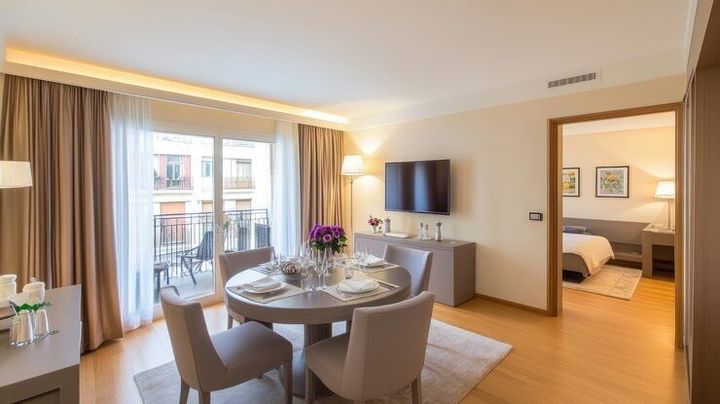
Serviced Apartments Guide: Furnishing, Housekeeping, Utilities and Stay Options
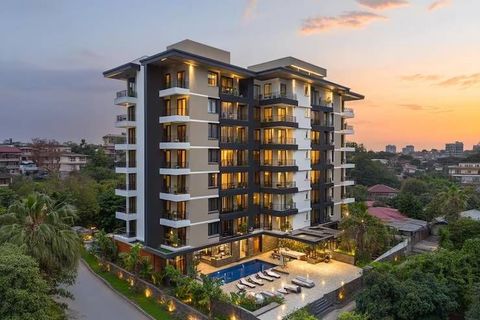
A Serviced Apartments Guide explains the accommodation arrangements, furnishing, housekeeping, utilities, and stay options available in residential-style properties designed for temporary or extended occupancy. Serviced apartments combine features of traditional apartments with certain hospitality facilities. They generally include private living spaces, kitchens or kitchenettes, furnished bedrooms, bathrooms, and arrangements for cleaning and building maintenance.
Context
A Serviced Apartments Guide explains the accommodation arrangements, furnishing, housekeeping, utilities, and stay options available in residential-style properties designed for temporary or extended occupancy. Serviced apartments combine features of traditional apartments with certain hospitality facilities. They generally include private living spaces, kitchens or kitchenettes, furnished bedrooms, bathrooms, and arrangements for cleaning and building maintenance.
The concept developed as business travelers, relocating professionals, international visitors, and families needed accommodation for periods longer than a typical hotel visit. Traditional hotels often provide limited cooking and residential facilities, while unfurnished rental apartments may require occupants to arrange furniture, utilities, and household maintenance independently.
Serviced apartments provide an alternative that combines residential layouts with selected hotel-style arrangements. Their facilities and management practices differ according to the building, operator, location, and length of occupancy.
Understanding Serviced Apartment Accommodation
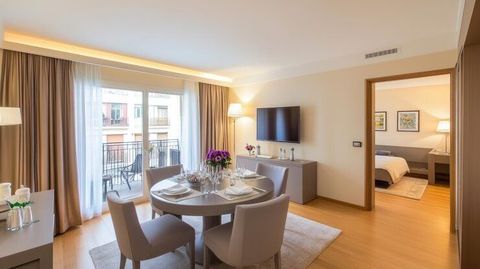
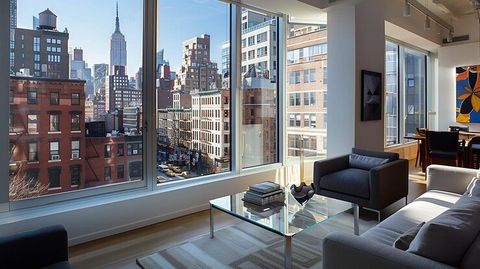
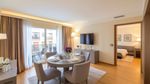
A serviced apartment is generally a furnished residential unit prepared for short-term or long-term stays. Depending on the property, it may include a separate bedroom, living room, kitchen, dining area, bathroom, storage space, and laundry facilities.
Common accommodation categories include:
Studio apartments: Compact units where sleeping, dining, and living areas share an open layout.
One-bedroom apartments: Units with a separate bedroom and combined living and dining areas.
Two-bedroom apartments: Accommodation with two separate bedrooms, often suitable for families or small groups.
Executive apartments: Residential units designed with additional workspace, furnishings, and business-related facilities.
Long-stay apartments: Units arranged for extended occupancy, sometimes with different housekeeping and utility arrangements.
The facilities available depend on the property. Some apartments include kitchen appliances, internet access, washing machines, and regular housekeeping, while others provide these facilities under separate arrangements.
Importance
Serviced apartments are relevant to people who need accommodation that supports everyday residential activities alongside temporary occupancy. Business travelers, relocating employees, students, families, consultants, and people between permanent homes may use these arrangements.
A separate living area can provide more space for daily activities than a conventional hotel room. Kitchen facilities can also allow occupants to prepare meals, while laundry equipment may help people manage clothing during longer stays.
However, not every serviced apartment provides the same level of furnishing, housekeeping, or utility coverage. Understanding the agreement and included facilities is important because some properties have additional charges, occupancy restrictions, or specific rules for extended stays.
Key Factors That Influence Apartment Selection
Several practical factors determine whether a serviced apartment meets an occupant's requirements:
Furnishing: Availability of beds, wardrobes, sofas, dining tables, desks, curtains, and kitchen equipment.
Housekeeping: Cleaning frequency, linen replacement, waste collection, and maintenance arrangements.
Utilities: Electricity, water, heating, cooling, cooking gas, and internet access.
Location: Distance from workplaces, educational institutions, hospitals, transport connections, and shopping areas.
Security: Building access controls, reception arrangements, surveillance systems, and emergency procedures.
Stay duration: Minimum occupancy periods, monthly arrangements, extension conditions, and departure procedures.
Furnishing and Household Equipment
Furnishing is an important part of serviced apartment accommodation because occupants generally expect the unit to be ready for residential use. The level of furnishing may range from basic furniture to fully equipped kitchens and laundry areas.
Common household items include beds, mattresses, wardrobes, seating furniture, dining tables, refrigerators, cooking equipment, and lighting fixtures. Some apartments also include televisions, work desks, kitchen utensils, and storage cabinets.
The following table explains typical furnishing and facility arrangements.
| Apartment area | Common furnishings or equipment | Main purpose |
|---|---|---|
| Bedroom | Bed, mattress, wardrobe | Sleeping and storage |
| Living room | Sofa, table, television | Relaxation and entertainment |
| Kitchen | Refrigerator, cooking equipment | Food preparation |
| Dining area | Table and chairs | Meals and daily activities |
| Bathroom | Shower, toilet, storage | Personal hygiene |
| Laundry area | Washing machine, drying equipment | Clothing care |
| Workspace | Desk, chair, lighting | Study and office activities |
These facilities are not universal. Their availability should be confirmed through the apartment inventory or written accommodation description.
Housekeeping and Utilities
Housekeeping arrangements may include routine cleaning, bathroom maintenance, floor cleaning, waste collection, and replacement of towels or bed linen. Cleaning frequency may be daily, weekly, or arranged according to the occupancy agreement.
Utilities are another important consideration. Some apartments include electricity, water, internet, and cooking gas within the accommodation payment, while others calculate certain utilities separately or apply usage limits.
Recent Updates
Serviced apartment accommodation has evolved alongside changes in business travel, remote working, residential mobility, and digital property management. From 2024 through 2026, the broader accommodation sector has shown increasing interest in flexible occupancy arrangements, technology-enabled building management, and residential-style facilities.
These developments vary by destination and property. They do not mean that every serviced apartment includes the same technology or accommodation arrangements.
Digital Property Management
Many accommodation operators use digital systems to manage reservations, payments, guest communication, maintenance requests, and occupancy records. Some buildings also provide electronic entry systems, digital check-in procedures, and mobile applications for managing selected apartment facilities.
These systems can make administrative processes more organized. However, occupants should understand how access credentials are issued, how personal information is handled, and what alternative arrangements exist if electronic entry systems become unavailable.
Remote Working and Residential Facilities
Remote and hybrid working arrangements have increased interest in accommodation with separate work areas and reliable internet connections. Some serviced apartments include desks, office chairs, additional electrical outlets, and shared meeting spaces.
Long-stay accommodation may also include washing machines, kitchen appliances, storage facilities, and larger living areas. These features support everyday routines for occupants staying away from their permanent homes for several weeks or months.
Energy Efficiency and Building Management
Energy efficiency has become a consideration in residential and hospitality property management. Some buildings use LED lighting, energy-efficient appliances, water-saving fixtures, and systems that monitor electricity consumption.
Building management systems may also regulate lighting, cooling, security access, and maintenance activities. Actual environmental performance depends on building design, equipment, operating practices, and occupant behavior.
Laws or Policies
Serviced apartments in India may be affected by several legal and regulatory frameworks. The applicable requirements depend on whether a property operates as a residential rental, a commercial accommodation establishment, or another permitted category.
Property Registration and Local Regulations
Property owners and operators may need to follow applicable municipal building regulations, occupancy requirements, fire safety rules, trade permissions, and state-specific accommodation regulations. Requirements can differ between cities and states.
Some serviced apartment properties may operate under local tourism or hospitality registration frameworks. The applicable classification depends on the property's structure and operating model. Occupants can review the property's stated registration details where relevant.
Rental Agreements and Consumer Protection
The agreement between an occupant and property operator should explain the occupancy period, payment arrangements, security deposits, maintenance responsibilities, utility coverage, and termination conditions.
In India, rental arrangements may be affected by applicable state tenancy laws, registration requirements, and provisions of the Transfer of Property Act, 1882. The Registration Act, 1908, may also be relevant to certain property agreements.
The Consumer Protection Act, 2019, provides a framework addressing consumer rights and unfair trade practices in applicable transactions. Whether a particular serviced apartment arrangement falls within specific provisions depends on its legal and commercial circumstances.
Safety, Identification, and Data Privacy
Buildings must follow applicable fire and building safety requirements. Occupants should be aware of emergency exits, evacuation procedures, electrical safety arrangements, and building access rules.
Accommodation operators may request identity documents as part of registration and applicable legal procedures. Foreign nationals may also be subject to additional reporting requirements under Indian immigration regulations.
Personal information collected during reservations and occupancy is subject to applicable data-protection requirements. India's Digital Personal Data Protection Act, 2023, and associated rules and commencement arrangements form part of the evolving framework for personal data handling.
Tools and Resources
Various digital resources can help people compare serviced apartments, understand accommodation arrangements, and organize longer stays. These resources provide different types of information, and their coverage varies by location.
Apartment Search and Comparison Platforms
Online property and accommodation platforms allow users to examine furnished apartment listings, photographs, room layouts, locations, facilities, and occupancy arrangements.
Examples include:
Booking.com: Provides accommodation listings with information about apartment facilities and reservation conditions.
Airbnb: Includes apartment and residential-style accommodation listings with property descriptions and house rules.
Google Maps: Helps identify nearby transport connections, workplaces, educational institutions, and essential facilities.
Property websites: May provide information about longer-term furnished apartment arrangements and residential layouts.
Property descriptions should be checked carefully because the term serviced apartment can refer to different operating arrangements.
Utility and Stay Planning Tools
Electricity calculators can help estimate household energy consumption using appliance wattage and operating hours. Water usage calculators can provide general estimates based on daily household activities.
A stay-planning spreadsheet can organize important information, including:
Apartment address and property contact details.
Occupancy dates and agreement conditions.
Furniture and appliance inventory.
Electricity, water, internet, and gas arrangements.
Housekeeping frequency and maintenance responsibilities.
Security deposit, payment schedule, and departure conditions.
These details can help occupants understand the practical arrangements associated with a temporary residential stay.
FAQs
What is included in a serviced apartment?
A serviced apartment generally includes furnished living areas, a bedroom, bathroom, and selected household equipment. Depending on the property, it may also include kitchen facilities, housekeeping, internet access, and utilities.
How does housekeeping work in serviced apartments?
Housekeeping arrangements vary by property. They may include scheduled cleaning, linen replacement, bathroom maintenance, and waste collection. The frequency and scope should be explained in the occupancy agreement.
Are utilities included in serviced apartment accommodation?
Some serviced apartments include electricity, water, internet, and cooking gas in the accommodation payment. Others calculate certain utilities separately or apply usage limits according to the agreement.
What is the difference between a serviced apartment and a hotel?
A serviced apartment generally provides a residential layout with facilities such as kitchens, living rooms, and laundry equipment. A hotel usually focuses on individual guest rooms and shared hospitality facilities, although some properties provide apartment-style accommodation.
Can serviced apartments be used for long-term stays?
Yes. Many serviced apartments accommodate occupants for extended periods, including several weeks or months. Minimum stay requirements, payment arrangements, housekeeping frequency, and utility conditions vary by property.
Conclusion
Serviced apartments combine furnished residential accommodation with selected housekeeping and building management arrangements. Their suitability depends on furnishing, utility coverage, location, security, and the intended length of stay. Digital property management and remote-working facilities are influencing developments in this accommodation category. Understanding the occupancy agreement and applicable local regulations provides important context for serviced apartment arrangements.