Maritime Careers 2026 Guide: Job Roles, Qualifications, Salaries, Skills and Industry Opportunities
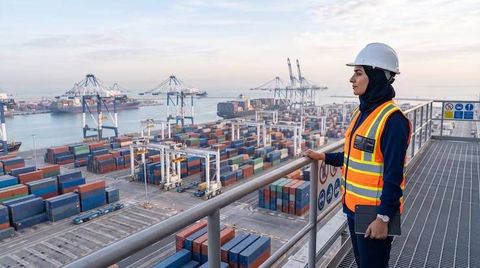
Maritime careers involve professional activities connected with ships, shipping companies, ports, marine transportation, offshore operations, and ocean-based industries. The maritime sector plays an important role in international trade because ships transport essential goods, raw materials, energy resources, vehicles, and manufactured products between countries.
Context
Maritime careers involve professional activities connected with ships, shipping companies, ports, marine transportation, offshore operations, and ocean-based industries. The maritime sector plays an important role in international trade because ships transport essential goods, raw materials, energy resources, vehicles, and manufactured products between countries.
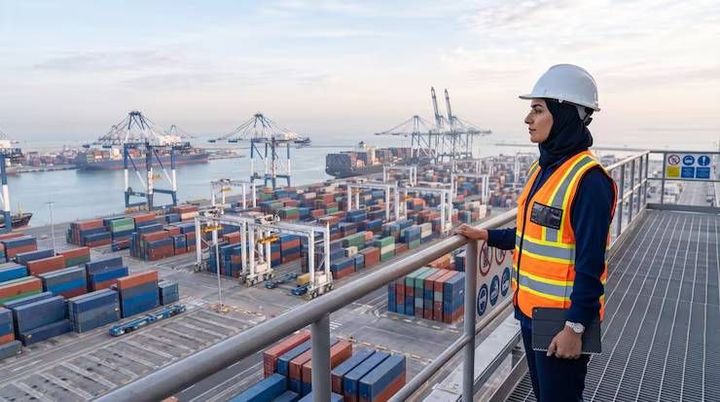
This industry includes several career paths, ranging from working directly aboard commercial vessels to managing port operations, maintaining marine equipment, coordinating cargo transportation, and monitoring maritime safety. Some professionals spend extended periods at sea, while others work in offices, shipyards, terminals, and coastal facilities.
In India, maritime careers are connected with the Merchant Navy, commercial shipping, port management, marine engineering, naval architecture, and logistics. Educational institutions and maritime training academies provide specialized courses that prepare individuals for different responsibilities within the industry.
As international shipping networks expand and maritime technologies develop, the industry requires professionals with technical knowledge, operational experience, communication abilities, and an understanding of international shipping regulations.
Importance
Maritime careers are important because global transportation and international commerce depend heavily on shipping networks. Ports and vessels connect manufacturing centres, agricultural regions, energy producers, and consumer markets. Professionals working in these areas help maintain transportation activities and support the movement of essential resources.
The maritime sector also contributes to economic development through port infrastructure, shipbuilding, offshore energy, marine research, and coastal transportation. Its activities create professional opportunities for individuals with different educational backgrounds and technical interests.
Contribution to International Trade
Commercial vessels transport large quantities of cargo across international shipping routes. Deck officers, marine engineers, navigation specialists, and cargo operators coordinate activities that help ships travel safely and deliver their shipments.
Maritime Safety and Environmental Protection
Ship operations involve navigation risks, changing weather conditions, equipment failures, and environmental responsibilities. Maritime professionals monitor vessel conditions, follow safety procedures, manage emergencies, and help prevent marine pollution.
Technical and Professional Development
Modern vessels use electronic navigation equipment, automated machinery, communication networks, and digital monitoring systems. These developments increase the importance of technical education and continuous professional training.
Different Career Environments
The maritime industry provides opportunities across several working environments:
Sea-based positions involving navigation, engineering, and vessel operations.
Shore-based positions involving port administration, shipping coordination, and maritime logistics.
Technical positions involving ship design, equipment maintenance, and marine technology.
Specialized positions involving offshore energy, marine research, and environmental monitoring.
Recent Updates
The maritime industry is experiencing changes involving digital technology, environmental regulations, international workforce requirements, and vessel modernization. These developments are influencing professional qualifications and the skills expected from maritime workers.
Digital Navigation and Smart Shipping
Modern vessels increasingly use electronic chart display systems, satellite navigation, digital communication equipment, and automated monitoring technologies. These systems help crews monitor vessel movements, identify navigation risks, and coordinate operations.
Knowledge of maritime cybersecurity and digital equipment is also becoming relevant because connected ship systems require protection against unauthorized access and operational disruptions.
Green Shipping and Alternative Fuels
Environmental sustainability has become an important part of maritime development. International shipping organizations are working toward reducing greenhouse gas emissions through improved vessel efficiency, alternative fuels, and cleaner technologies.
This transition is creating demand for knowledge related to fuel systems, energy management, emissions monitoring, and environmental compliance. Marine engineers and technical specialists may encounter new responsibilities involving alternative propulsion technologies.
Growing Demand for Maritime Professionals
International shipping requires qualified deck officers, marine engineers, electrical specialists, and other trained personnel. According to the 2026 BIMCO and International Chamber of Shipping workforce report, the global maritime industry faces continuing requirements for certified seafarers.
India has also expanded its presence in the international maritime workforce. Government information published in 2026 identifies India as the world's second-largest supplier of seafarers, reflecting the country's growing participation in international shipping.
Women in Maritime Careers
The maritime industry is gradually increasing its focus on women's participation in seafaring, marine engineering, port management, and maritime administration. Training initiatives and workplace inclusion programmes are contributing to broader professional participation.
Laws or Policies
Maritime careers in India are governed by national shipping legislation, international maritime conventions, educational standards, and professional certification requirements. These regulations establish qualifications, safety responsibilities, working conditions, and operational procedures.
Merchant Shipping Act, 2025
The Merchant Shipping Act, 2025 modernizes India's maritime legal framework and replaces the earlier Merchant Shipping Act, 1958. It addresses vessel operations, seafarer qualifications, maritime safety, recruitment regulation, and other aspects of commercial shipping.
The legislation also establishes requirements concerning the training and certification of individuals working aboard vessels.
STCW Convention
The International Convention on Standards of Training, Certification and Watchkeeping for Seafarers (STCW) establishes internationally recognized standards for maritime training and professional competency.
Depending on their responsibilities, seafarers must complete relevant safety training, obtain appropriate certificates, and meet qualification requirements before performing designated duties aboard vessels.
Maritime Labour Convention
The Maritime Labour Convention, 2006 establishes international standards concerning seafarer working conditions. Its provisions cover areas such as:
Employment agreements and working arrangements.
Accommodation and onboard facilities.
Medical care and health protection.
Rest periods and working hours.
Repatriation and financial protection.
Complaints and welfare arrangements.
Directorate General of Maritime Administration
India's maritime administration regulates important aspects of maritime education, examinations, certification, and seafarer-related activities.
Candidates can consult the official maritime administration website for approved training institutions, examination procedures, medical fitness requirements, and regulatory notifications.
Tools and Resources
Several official platforms and educational resources help individuals understand maritime careers, training requirements, professional certifications, and industry developments.
Government and Educational Platforms
Directorate General of Maritime Administration (DGMA): Provides information about maritime regulations, seafarer certification, approved training institutions, and examination procedures.
Indian Maritime University (IMU): Provides information about maritime education, nautical science, marine engineering, port management, and admission requirements.
International Maritime Organization (IMO): Publishes international maritime conventions, safety guidelines, environmental regulations, and shipping developments.
International Labour Organization (ILO): Provides information about maritime labour standards and seafarer welfare.
Professional Learning Resources
Maritime simulators help trainees understand navigation, ship handling, engine operations, and emergency procedures in controlled training environments.
Other useful resources include:
Electronic navigation and chart training platforms.
Marine engineering simulation software.
Maritime terminology and technical reference materials.
Safety management and emergency response training modules.
Shipping and port management learning materials.
Maritime Salary and Career Planning
Career planning resources can help individuals compare educational pathways, professional qualifications, and salary structures. Salary comparisons should consider vessel type, professional rank, experience, employer, contract arrangements, and the country under whose flag a vessel operates.
Maritime Career Roles and Salary Overview
Maritime professionals work in different departments depending on their education, certification, and experience.
| Career Role | Main Responsibilities | Indicative Monthly Salary in India |
|---|---|---|
| Deck Cadet | Navigation training and shipboard learning | ₹25,000–₹50,000 |
| Third Officer | Navigation watches and safety equipment | ₹1.2–₹2 lakh |
| Second Officer | Navigation planning and watchkeeping | ₹2–₹3.5 lakh |
| Chief Officer | Cargo operations and deck department management | ₹3.5–₹5.5 lakh |
| Ship Master | Overall vessel command and operations | ₹5–₹8 lakh or more |
These indicative figures reflect published Indian deck officer career information. Actual compensation varies according to vessel category, employer, experience, contract, and flag state. Marine engineering and shore-based positions have different salary structures.
FAQs
What are the main maritime career opportunities in 2026?
Major opportunities include deck officers, marine engineers, electro-technical officers, ship masters, port managers, maritime logistics coordinators, naval architects, and offshore operations specialists.
What qualifications are required for maritime careers in India?
Requirements depend on the selected career pathway. Nautical science and marine engineering generally require relevant academic qualifications, while professional seafaring positions also require approved training, medical fitness, and applicable STCW certification.
What is the salary of a Merchant Navy officer in India?
Monthly salaries vary according to rank and experience. Published indicative figures range from approximately ₹1.2 lakh for a third officer to ₹5–8 lakh or more for a ship master. Actual compensation depends on several employment and vessel-related factors.
Are maritime careers available without working aboard ships?
Yes. Shore-based opportunities include port management, maritime logistics, shipping administration, marine surveying, shipbuilding, naval architecture, and maritime safety management.
Which skills are important for maritime careers?
Important skills include communication, teamwork, technical knowledge, navigation awareness, problem-solving, emergency response, leadership, digital equipment familiarity, and understanding of maritime safety regulations.
Conclusion
Maritime careers cover a wide range of professional activities across commercial shipping, marine engineering, port management, logistics, and offshore industries. Educational qualifications, practical training, professional certification, and safety awareness are important requirements for many positions. Digital shipping technologies and environmental developments are also influencing the skills needed across the industry. India's maritime regulations and growing participation in international shipping continue to shape the country's maritime professional landscape.