Luxury Sneakers Collections Explained: Styles, Materials, Designs, Comfort and Care Considerations
Luxury sneakers collections combine athletic footwear construction with distinctive designs, premium materials, and fashion influences. Sneakers originally developed as practical shoes for physical activity, using flexible soles that supported movement on different surfaces. During the twentieth century, they became associated with sports, music, streetwear, and everyday clothing, gradually developing into a major part of contemporary fashion.
Context
Luxury sneakers collections combine athletic footwear construction with distinctive designs, premium materials, and fashion influences. Sneakers originally developed as practical shoes for physical activity, using flexible soles that supported movement on different surfaces. During the twentieth century, they became associated with sports, music, streetwear, and everyday clothing, gradually developing into a major part of contemporary fashion.
Luxury sneakers differ from ordinary athletic footwear in their design approach, material selection, construction details, and association with fashion houses or specialist footwear labels. Some feature minimalist leather uppers and neutral colors, while others use layered panels, unusual textures, decorative elements, or prominent logos. Their appearance may reflect sports heritage, modern architecture, cultural influences, or traditional shoemaking techniques.
Today, luxury sneakers collections include low-top, high-top, slip-on, retro-inspired, and performance-influenced designs. Understanding their styles, materials, comfort characteristics, and care requirements helps readers recognize the differences between footwear intended mainly for fashion and shoes designed for particular physical activities.
Understanding Luxury Sneaker Styles
Luxury sneaker styles vary according to their shape, sole construction, intended use, and visual design. Common categories include:
Low-top sneakers: Shoes that sit below the ankle and work with casual trousers, jeans, and many everyday outfits.
High-top sneakers: Designs that extend above the ankle, often drawing inspiration from basketball footwear and streetwear.
Minimalist sneakers: Simple silhouettes with limited decoration, restrained colors, and relatively clean lines.
Retro sneakers: Designs influenced by earlier running, tennis, or basketball shoes, sometimes incorporating vintage-style panels and colors.
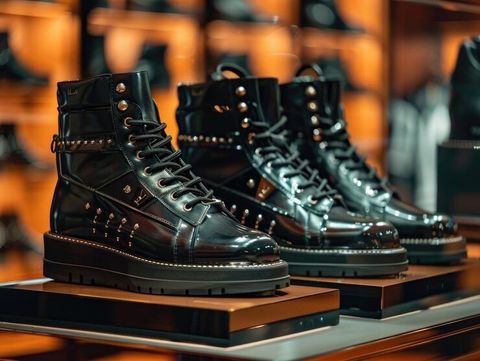
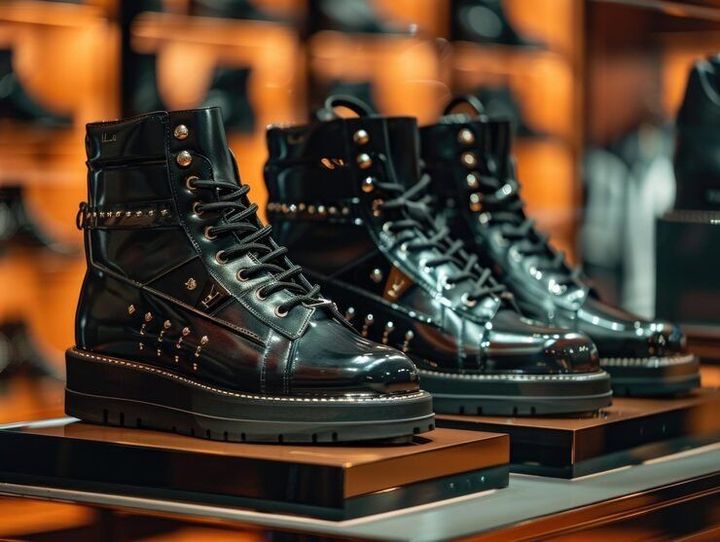
Chunky sneakers: Footwear with thicker soles, layered uppers, and a visually substantial shape.
Slip-on sneakers: Shoes designed for easy entry, generally using flexible panels or elastic sections instead of traditional laces.
These categories can overlap. A single design might combine a retro silhouette with a chunky sole or use minimalist styling with a high-top shape.
How Luxury Sneaker Design Developed
Sneaker design has evolved through developments in rubber processing, textile manufacturing, cushioning materials, and footwear production. Early athletic shoes prioritized practical movement, grip, and durability. As sports footwear entered everyday wardrobes, designers began adapting athletic shapes for social and fashion settings.
Luxury footwear collections now combine traditional construction methods with contemporary manufacturing. Some designs emphasize hand-finished details or carefully selected leather, while others incorporate technical fabrics, sculpted midsoles, and experimental shapes. The term luxury does not describe one universal construction standard, so individual features remain important when comparing different collections.
Importance
Luxury sneakers matter in contemporary fashion because they combine everyday footwear functions with personal style. They appear in casual clothing, travel wardrobes, creative workplaces, and streetwear, making them relevant to people with different lifestyles and clothing preferences.
However, appearance alone does not establish whether a shoe will be comfortable, durable, or appropriate for a particular activity. Foot shape, fit, cushioning, sole flexibility, material breathability, and the intended use all influence how footwear performs during daily wear.
Materials Used in Luxury Sneakers
Material selection affects appearance, weight, flexibility, breathability, and maintenance requirements. Common materials include:
Full-grain leather: Leather retaining its natural grain, often used for structured uppers and smooth or textured finishes.
Suede: Leather with a soft, napped surface that creates a matte appearance but can be sensitive to moisture and staining.
Nubuck: Leather with a lightly sanded surface that feels soft and has a fine texture.
Canvas and cotton textiles: Fabric materials used in lightweight designs, depending on their weave and construction.
Technical mesh: Woven or engineered material that may improve ventilation in particular designs.
Synthetic materials: Manufactured alternatives used for different textures, structural features, and cleaning requirements.
Rubber and foam: Materials commonly used in outsoles and midsoles to provide traction, cushioning, or flexibility.
Material names alone do not establish quality. Thickness, finishing, stitching, bonding methods, and the way components are assembled also influence footwear characteristics.
Comfort, Fit, and Everyday Use
Comfort depends on how the shoe interacts with the wearer's foot and the activity being performed. A cushioned midsole may help absorb some impact, while a firm sole may provide a different walking sensation. Neither construction suits every person or every situation.
Important fit considerations include toe space, heel movement, arch shape, and pressure across the upper. Feet may swell during the day, and sizing can differ between manufacturers and models. Trying footwear with the socks normally worn can help reveal fit issues, while walking briefly on a suitable surface can identify rubbing or instability.
Luxury sneakers are not necessarily designed for running, intensive exercise, or prolonged standing. Fashion-focused models may have different support and grip characteristics from athletic shoes made for specific sports. Their intended use should therefore be considered separately from their appearance.
Comparing Common Sneaker Features
| Feature | Common variations | Main consideration |
|---|---|---|
| Upper material | Leather, suede, mesh, canvas | Breathability, texture, maintenance |
| Sole profile | Flat, flexible, thick, sculpted | Stability, weight, walking feel |
| Closure | Laces, elastic panels, slip-on | Fit adjustment and convenience |
| Construction | Stitched, bonded, mixed methods | Flexibility and component attachment |
| Design | Minimalist, retro, chunky | Styling and clothing compatibility |
| Interior | Textile lining, padded collar | Skin contact, ventilation, fit |
These characteristics vary between models, including those from the same collection. A detailed product description can clarify construction, but actual fit and comfort remain individual experiences.
Recent Updates
Luxury sneakers collections continue to reflect changes in fashion, manufacturing technology, consumer preferences, and environmental awareness. Trends observed from 2024 through 2026 include renewed interest in slimmer silhouettes, retro running designs, textured materials, understated colors, and combinations of sporty shapes with formal or tailored clothing. Chunkier designs also remain present, illustrating that different sneaker styles can coexist.
Design and Material Developments
Some contemporary collections incorporate engineered mesh, lightweight foam compounds, recycled textile fibers, and alternative materials. These developments can change the weight, flexibility, surface appearance, or production characteristics of footwear. Their practical effects depend on the material formulation and how it is used in the finished shoe.
Digital design tools and computer-assisted manufacturing also support experimentation with sole shapes, panel arrangements, and construction details. However, the use of advanced technology does not automatically indicate superior comfort or durability. The complete design and manufacturing process determine how a particular shoe performs.
Sustainability and Product Transparency
Environmental considerations have become more visible in footwear discussions. Some manufacturers describe recycled materials, lower-impact production processes, repair programs, or initiatives to reduce manufacturing waste. Claims vary in scope, and the presence of one recycled component does not establish the environmental impact of the entire shoe.
Product descriptions may also provide more information about material composition and care. Readers comparing collections can examine these details alongside construction, expected use, and maintenance requirements rather than relying on general sustainability language.
Laws or Policies
Luxury sneakers are affected by product labeling requirements, consumer protection rules, intellectual property laws, and applicable import regulations. Requirements vary by country and by the way a product is manufactured, labeled, distributed, or advertised.
Footwear Labeling and Consumer Protection in India
In India, footwear may fall under applicable packaged commodity, consumer protection, and product-specific requirements. The Legal Metrology framework regulates specified declarations on packaged goods, while the Consumer Protection Act, 2019, addresses consumer rights and certain unfair trade practices. The exact obligations depend on the product and the circumstances of its distribution.
Material descriptions should accurately represent the footwear. Statements about leather composition, country of origin, manufacturing methods, or environmental characteristics may be relevant to consumer understanding and applicable labeling rules. Readers can examine product labels and published specifications to understand what a particular pair contains.
Authenticity, Trademarks, and Imports
Brand names, logos, distinctive designs, and other identifying features may be protected under intellectual property laws. In India, the Trade Marks Act, 1999, provides a legal framework for registered trademarks, among other matters. Counterfeit products can raise legal and consumer concerns, particularly when their labels misrepresent their origin or manufacturer.
Imported footwear may also be subject to customs duties, import requirements, and other applicable rules. Requirements can change, so the legal treatment of a particular product depends on its classification and the circumstances of importation.
Product Information and Returns
Consumer rights relating to defective goods, misleading representations, and other disputes depend on applicable law and the facts of the case. Return and exchange conditions may also vary according to the retailer's stated policy and legal obligations. Reviewing product specifications, size information, payment records, and written terms helps establish what was represented during a transaction.
Tools and Resources
Several resources can help readers understand luxury sneakers collections, compare construction details, assess fit, and maintain footwear. Different tools address different needs, from identifying materials to understanding care instructions.
Footwear Research and Comparison
Official footwear brand websites commonly publish collection descriptions, material information, sizing charts, and care instructions. Retailer product pages may provide additional measurements, photographs, and customer feedback. Comparing specifications across several models can clarify differences in silhouette, upper material, sole design, and intended use.
Footwear size charts can provide a starting point for checking length and width. However, sizing systems differ across regions, and measurements do not fully account for differences in shoe shape. Brand-specific guidance is more relevant than assuming every model uses the same sizing standard.
Cleaning and Maintenance Resources
Material-specific care guides help explain how to clean leather, suede, canvas, mesh, and synthetic uppers. A soft brush can remove loose dirt from many surfaces, while a suitable cloth may help with light cleaning. Products and methods should be compatible with the shoe's material and manufacturer instructions.
A practical maintenance routine may include:
Removing surface dirt after regular use.
Allowing damp footwear to dry naturally away from direct heat.
Using appropriate brushes and cleaning products for each material.
Storing sneakers in a dry, ventilated place.
Rotating footwear to allow it to dry between uses.
Checking stitching, sole edges, and other areas for signs of wear.
Harsh cleaners, excessive water, and direct heat can damage some materials or adhesives. Care instructions should take priority when a manufacturer specifies particular handling requirements.
FAQs
What are the main types of luxury sneakers collections?
Common types include low-top, high-top, minimalist, retro, chunky, and slip-on sneakers. Collections may combine these styles with different materials, colors, and sole constructions.
Which materials are commonly used in luxury sneakers?
Leather, suede, nubuck, canvas, technical mesh, synthetic materials, rubber, and foam are common components. Their characteristics vary according to processing, thickness, construction, and intended function.
Are luxury sneakers comfortable for everyday walking?
Comfort depends on fit, cushioning, flexibility, foot shape, and walking conditions. Fashion-focused sneakers may differ from footwear designed specifically for running or other athletic activities.
How should luxury leather and suede sneakers be cleaned?
Leather and suede require different care methods. A soft cloth may suit some smooth leather finishes, while a suitable suede brush can help remove surface dirt from suede. Manufacturer instructions should guide cleaning methods and products.
How can readers compare luxury sneaker designs and quality?
Readers can compare material composition, stitching, sole construction, fit information, product specifications, and care requirements. Clear product details provide more useful information than appearance or brand positioning alone.
Conclusion
Luxury sneakers collections include varied styles, materials, construction methods, and design influences. Comfort and everyday suitability depend on fit, sole characteristics, intended use, and individual preferences rather than appearance alone. Product labeling, consumer protection, and intellectual property rules also shape how footwear is described and distributed. Understanding these factors provides a practical foundation for interpreting luxury sneaker designs and their care requirements.