Luxury Cave Hotels Guide: Locations, Accommodation Styles, Facilities and Guest Experiences
Luxury cave hotels are accommodation properties developed within natural caves, rock formations, or buildings designed to resemble traditional cave dwellings. They combine distinctive geological surroundings with modern accommodation features, including private rooms, comfortable furnishings, dining areas, and recreational facilities. These properties are found in destinations where caves and unusual rock formations have influenced local architecture and settlement patterns.
Context
Luxury cave hotels are accommodation properties developed within natural caves, rock formations, or buildings designed to resemble traditional cave dwellings. They combine distinctive geological surroundings with modern accommodation features, including private rooms, comfortable furnishings, dining areas, and recreational facilities. These properties are found in destinations where caves and unusual rock formations have influenced local architecture and settlement patterns.
The tradition of cave accommodation has historical roots in several parts of the world. People in regions such as Cappadocia in Turkey, Matera in Italy, and parts of China used caves and rock-cut structures as homes, storage spaces, religious locations, and shelters. Over time, some historic cave dwellings were adapted into hotels while preserving elements of their original architectural character.
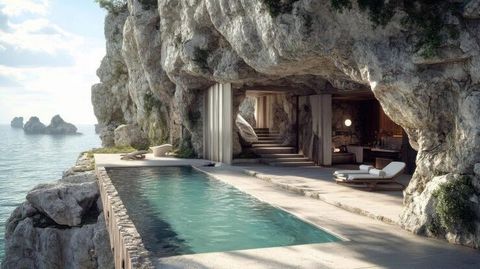
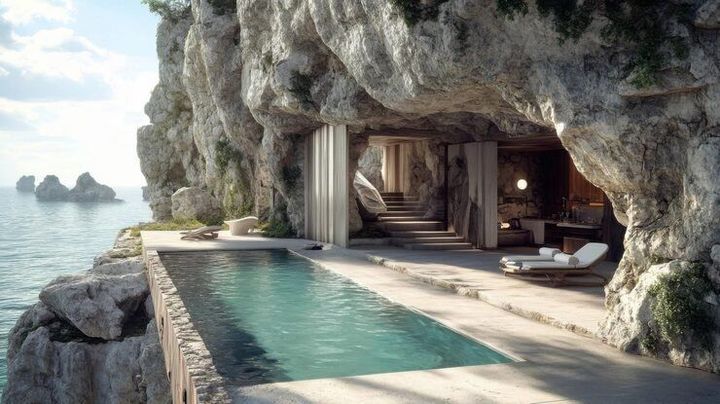
Today, luxury cave hotels combine traditional structures with contemporary facilities. Depending on the property, guests may find carved stone interiors, vaulted ceilings, private terraces, indoor swimming pools, restaurants, and wellness areas. These accommodation types appeal to travelers interested in architecture, cultural heritage, natural landscapes, and distinctive overnight experiences.
Understanding Cave Hotel Accommodation
Cave hotels are not all constructed in the same way. Some occupy naturally formed underground spaces, while others are carved into soft rock or developed within historic settlements. Their room layouts and facilities depend on the geological conditions, building history, and local construction practices.
Common accommodation styles include:
Traditional cave rooms: Rooms developed inside natural or carved rock spaces, often retaining stone walls and curved ceilings.
Luxury cave suites: Larger underground accommodations that may include separate living areas, upgraded furnishings, and private bathrooms.
Rock-carved villas: Independent accommodation units built into hillsides or rocky landscapes, sometimes featuring private outdoor spaces.
Historic cave residences: Former residential structures adapted into guest accommodation while retaining architectural details.
Modern cave-inspired rooms: Contemporary buildings designed with stone finishes, curved walls, and underground architectural elements.
The appearance of a cave hotel can vary significantly. Some properties retain traditional interiors, while others combine historic structures with modern lighting, climate-control systems, and contemporary furniture.
Importance
Luxury cave hotels are relevant to travelers who want to understand how natural landscapes, architecture, and local heritage influence accommodation. They provide an example of how historic buildings and geological features can become part of modern tourism while maintaining connections with regional culture.
These properties also introduce practical considerations that differ from conventional hotels. Natural rock structures may influence room temperature, ventilation, humidity, lighting, accessibility, and the arrangement of indoor spaces. Understanding these characteristics helps travelers evaluate whether a particular property matches their accommodation requirements.
Factors That Influence Guest Experiences
Several elements shape the experience of staying in a cave hotel:
Architecture: Natural rock formations, carved walls, stone ceilings, and traditional decorative elements influence the appearance of each room.
Temperature: Underground spaces may maintain different temperatures from outdoor areas, although conditions vary according to geology and ventilation.
Lighting: Limited natural light in some rooms can make artificial lighting an important design feature.
Privacy: Room entrances, private terraces, separate suites, and property layouts influence the level of privacy.
Accessibility: Uneven pathways, stairs, narrow entrances, and sloping terrain may affect visitors with mobility requirements.
Facilities: Restaurants, swimming pools, heating, cooling, internet access, and wellness areas differ between properties.
Comparing Different Cave Hotel Locations
Cave accommodation is associated with several destinations, each having distinct geological and cultural characteristics.
| Destination | Country | Main characteristics |
|---|---|---|
| Cappadocia | Turkey | Volcanic rock formations, carved rooms, underground heritage |
| Matera | Italy | Historic cave residences and stone architecture |
| Guadix | Spain | Traditional cave dwellings and hillside settlements |
| Coober Pedy | Australia | Underground buildings developed in an arid environment |
| Loess Plateau | China | Traditional cave dwellings known as yaodong |
These destinations illustrate different approaches to cave architecture. The structures may have originated as homes or community spaces rather than tourist accommodation, and their historical purposes differ by region.
Recent Updates
From 2024 through 2026, accommodation trends have increasingly emphasized distinctive architectural experiences, cultural tourism, environmental awareness, and digital travel planning. Cave hotels are part of this wider interest in accommodation connected with local history and natural surroundings.
The development of these properties also reflects changing expectations regarding comfort. Travelers may look for accommodation that combines traditional architecture with contemporary facilities such as reliable internet access, climate control, private bathrooms, and modern room layouts.
Modern Facilities in Cave Hotels
Some cave hotels have incorporated contemporary building systems while retaining their original architectural features. Depending on the property, these may include underfloor heating, ventilation systems, humidity management, modern bathrooms, and carefully positioned lighting.
Swimming pools, rooftop terraces, restaurants, and wellness areas are also found at certain properties. However, not every cave hotel has these facilities. Their availability depends on the size of the property, building design, local regulations, and environmental conditions.
Sustainability and Heritage Preservation
Environmental considerations have become increasingly relevant to accommodation development. Some cave hotels use existing structures rather than constructing entirely new buildings, which may help preserve historic settlements and reduce the need for additional development.
However, converting caves into accommodation requires careful planning. Construction work can affect natural rock formations, groundwater movement, ventilation, and surrounding ecosystems. Heritage conservation rules may also limit structural changes, particularly in protected historic areas.
Digital Booking and Travel Planning
Online reservation platforms have made it easier to compare cave hotel locations, photographs, room categories, facilities, and guest feedback. Digital maps and travel-planning applications also help visitors understand the distance between accommodation, airports, historical sites, and nearby attractions.
Some accommodation providers use digital check-in, electronic room access, and automated communication systems. These features vary by property, particularly in historic buildings where modern infrastructure may be difficult to install.
Laws or Policies
Luxury cave hotels operate under the laws and regulations of their respective countries. Requirements may cover building safety, tourism registration, fire protection, environmental conservation, heritage preservation, food preparation, taxation, and guest identification.
Because cave accommodation often involves historic or geologically sensitive structures, additional planning and preservation requirements may apply. Rules differ between countries and sometimes between regions within the same country.
Tourism and Heritage Regulations in India
India has several regions with cave architecture and rock-cut heritage, including Ajanta, Ellora, and parts of Maharashtra and Karnataka. These historical locations demonstrate the cultural and architectural importance of caves, although protected archaeological caves are not automatically suitable for hotel development.
The Ancient Monuments and Archaeological Sites and Remains Act, 1958, provides a framework for protecting specified archaeological monuments and sites. Activities around protected monuments may be subject to restrictions, permissions, and regulated areas.
Hotel development outside protected archaeological locations may require applicable state and local approvals. These can include building permissions, fire safety compliance, environmental clearances where required, and tourism-related registrations.
Environmental and Guest Safety Requirements
Cave hotel development may involve geological assessments, drainage planning, structural examinations, and ventilation considerations. These measures are relevant because natural rock structures can experience moisture changes, erosion, fractures, and other geological conditions.
Fire safety is another important consideration. Properties with underground rooms may need suitable emergency exits, fire detection systems, ventilation arrangements, and evacuation procedures according to applicable building and safety regulations.
Hotels may also collect guest identification details during check-in in accordance with relevant legal requirements. Travelers visiting international cave destinations should review local identification rules, entry requirements, and accommodation regulations.
Tools and Resources
Digital tools and information platforms help travelers understand cave hotel accommodation, compare destinations, and organize travel arrangements.
Hotel Search and Reservation Platforms
Accommodation platforms such as Booking.com, Expedia, and Google Hotels provide searchable listings for cave hotels in different countries. Travelers can examine property locations, room photographs, accommodation categories, guest feedback, and reservation conditions.
Official hotel websites may contain additional information about room layouts, historical backgrounds, accessibility, heating arrangements, and available facilities. Comparing these details helps clarify differences between individual properties.
Mapping and Destination Research Tools
Google Maps can help identify cave hotel locations and estimate distances to airports, railway stations, historical sites, and nearby towns. Digital maps are also useful for understanding whether accommodation is located in a central settlement, on a hillside, or in a remote area.
Tourism websites maintained by national and regional authorities can provide information about local attractions, transport arrangements, cultural sites, and travel regulations.
Practical Cave Hotel Planning Checklist
Before selecting cave accommodation, travelers can review several important details:
Confirm whether the room is a natural cave, a carved rock space, or a modern cave-inspired structure.
Check room ventilation, heating, cooling, and humidity arrangements.
Review stairways, pathways, entrances, and accessibility information.
Examine the distance from major transport connections and local attractions.
Confirm the availability of bathrooms, internet access, dining areas, and other facilities.
Review reservation conditions, payment requirements, and cancellation policies.
Check whether seasonal weather affects access to the property or nearby attractions.
These details are particularly relevant for travelers who have not previously stayed in underground or rock-carved accommodation.
FAQs
What are luxury cave hotels?
Luxury cave hotels are accommodation properties developed inside natural caves, carved rock formations, or historic cave buildings. They combine traditional architectural features with modern facilities such as private bathrooms, comfortable rooms, and dining areas.
Where are the most well-known cave hotel destinations?
Cappadocia in Turkey, Matera in Italy, Guadix in Spain, and Coober Pedy in Australia are recognized for cave-based architecture and accommodation. Each destination has different geological features and cultural traditions.
Are luxury cave hotels comfortable for overnight stays?
Comfort depends on the individual property. Important factors include ventilation, humidity control, heating, cooling, room lighting, bathroom facilities, and the condition of the building.
What facilities are available in luxury cave hotels?
Facilities vary by property and may include private suites, restaurants, swimming pools, terraces, wellness areas, heating systems, and internet access. Travelers should check individual accommodation descriptions for accurate details.
Are cave hotels suitable for families and older travelers?
Some cave hotels accommodate families and older visitors, but suitability depends on room layouts, staircases, pathways, entrance widths, and available accessibility features. Checking these details before making a reservation is important.
Conclusion
Luxury cave hotels combine natural geological formations, historic architecture, and contemporary accommodation facilities. Their locations, room styles, and guest experiences differ according to regional traditions and building conditions. Modern facilities and digital booking tools have made these properties more accessible to international travelers, while heritage and environmental regulations influence their development. Understanding accommodation features, accessibility, safety, and local requirements provides a clearer picture of cave hotel stays.