Living Room Furniture Guide: Sofas, Tables, Chairs, Storage Options and Design Considerations
Living room furniture forms the functional and visual foundation of a home’s shared space. Sofas, tables, chairs, cabinets, shelves, and storage units each serve a different purpose while working together to support sitting, conversation, entertainment, reading, and everyday activities. A living room furniture guide helps readers understand the main furniture types, materials, dimensions, layouts, and design considerations before planning a room.
Context
Understanding Living Room Furniture
Living room furniture has developed alongside changing household layouts, construction methods, materials, and lifestyles. Traditional homes often used individually crafted wooden pieces, while modern homes may combine manufactured panels, metal frames, upholstered components, glass, engineered wood, and modular storage.
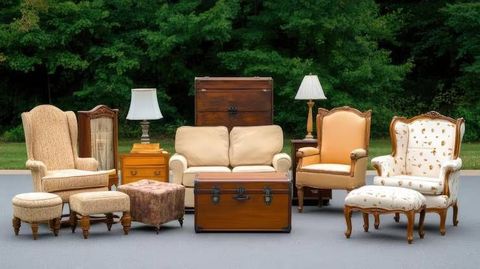
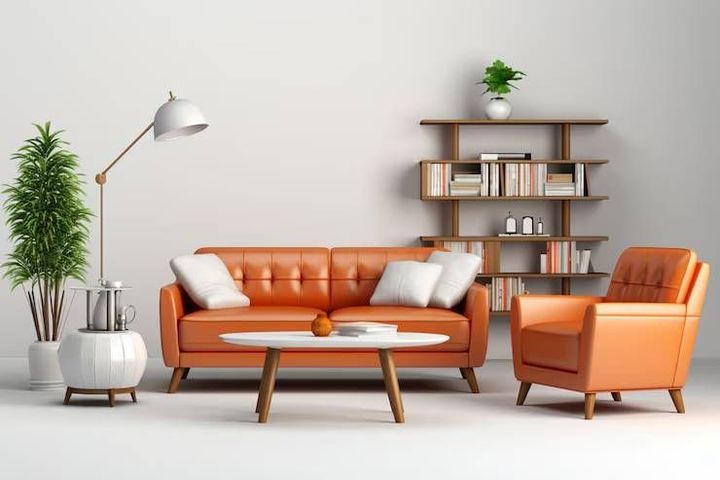
The main purpose of living room furniture is to make a shared area practical and comfortable. A sofa can provide primary seating, while chairs create additional places to sit. Tables provide surfaces for everyday objects, and storage furniture helps organize books, electronics, documents, decorations, and household items.
Main Furniture Categories
A living room can contain several furniture groups, depending on available space and household needs.
- Sofas and sectionals provide the main seating area.
- Armchairs and accent chairs create additional seating.
- Coffee tables provide a central surface near seating.
- Side tables provide smaller surfaces beside chairs or sofas.
- TV units support entertainment equipment and related storage.
- Shelving units display books, plants, photographs, and decorative objects.
- Cabinets and drawers provide enclosed storage.
- Ottomans can function as seating, footrests, or occasional surfaces.
Furniture does not need to occupy every part of a room. Maintaining clear walking paths can make a space easier to use and visually less crowded.
Importance
Comfort and Daily Use
Furniture affects how people use a living room throughout the day. Seating dimensions, back support, table height, storage access, and furniture placement can influence comfort and movement.
A sofa that is too deep may be difficult for some people to use comfortably, while a very narrow seating arrangement may limit the number of people who can sit together. Similar considerations apply to coffee tables, chairs, cabinets, and shelving.
Space Planning
Room dimensions are important when selecting furniture. Measurements should account for doors, windows, electrical points, radiators, air-conditioning equipment, and walking routes.
A simple planning process can include:
- Measuring the room length and width.
- Recording the position of doors and windows.
- Measuring available wall space.
- Identifying electrical and entertainment points.
- Allowing sufficient circulation space.
- Checking furniture dimensions before arranging the room.
Materials and Construction
Common living room furniture materials include solid wood, plywood, particleboard, medium-density fibreboard, metal, glass, leather, fabric, and synthetic upholstery. Each material has different characteristics related to appearance, weight, maintenance, moisture resistance, and structural performance.
Upholstered furniture also depends on internal construction. Foam density, springs, webbing, frame construction, and fabric composition can affect how a sofa or chair feels and performs during regular use.
Recent Updates
Modular and Multifunctional Designs
From 2024 through 2026, furniture discussions have increasingly focused on modular layouts, multifunctional pieces, compact storage, and flexible room arrangements. These developments are particularly relevant to apartments and smaller homes where one room may support several activities.
Multifunctional furniture can include sofa-cum-beds, nesting tables, storage ottomans, foldable tables, modular shelving, and cabinets with integrated media storage. Such designs can allow the same area to serve different purposes without requiring numerous separate pieces.
Sustainable Material Considerations
Material sourcing has also received greater attention. Furniture discussions increasingly include bamboo, reclaimed wood, recycled materials, responsibly sourced timber, and longer-use designs. The environmental effect of furniture depends on material origin, manufacturing methods, transportation, durability, repairability, and eventual disposal.
Digital planning tools have also become more common. Room planners, measurement applications, 3D visualization systems, and augmented-reality features can help users understand how furniture dimensions may relate to an existing room before making layout decisions.
Current Design Direction
Current living room design commonly combines simple forms with practical storage. Neutral furniture shapes, modular components, mixed materials, concealed storage, open shelving, and flexible seating arrangements are frequently discussed in contemporary interior design.
These patterns vary by household, region, room size, and personal preference, so there is no single design suitable for every living room.
Laws or Policies
Indian Furniture Standards
In India, the Bureau of Indian Standards maintains Indian Standards covering several categories of furniture. Standards include specifications relating to general-purpose chairs and stools, tables and desks, storage units, and other furniture categories.
The Furniture Quality Control framework has also introduced requirements connected with specified furniture standards. The applicable requirements depend on the particular furniture category and the relevant order in force.
Examples of furniture-related Indian Standards include IS 17632 for general-purpose chairs and stools, IS 17633 for tables and desks, and IS 17634 for storage units. Other standards address particular furniture forms and materials.
Consumer Protection
Furniture transactions in India are also covered by the broader consumer protection framework. The Consumer Protection Act, 2019 provides a legal framework concerning consumer rights, complaints, dispute resolution, and related matters.
For packaged products, the Legal Metrology framework can also apply where the relevant conditions are met. The Legal Metrology (Packaged Commodities) Rules contain requirements concerning declarations on applicable pre-packaged commodities.
The exact legal requirements can vary according to the product, packaging method, manufacturer, importer, seller, and applicable government notifications. Readers should consult current official rules when a specific compliance question arises.
Tools and Resources
Room Measurement Tools
A measuring tape, graph paper, or digital measurement application can help create a basic room plan. Measurements should include walls, doors, windows, columns, and fixed installations.
Furniture Comparison Tables
A simple comparison table can make furniture planning easier:
| Furniture Type | Main Function | Common Materials | Key Dimension to Check |
|---|---|---|---|
| Sofa | Primary seating | Wood, metal, fabric, leather | Width and depth |
| Armchair | Individual seating | Wood, metal, upholstery | Width and seat height |
| Coffee Table | Central surface | Wood, glass, metal | Length and height |
| Side Table | Small surface | Wood, metal, glass | Height and footprint |
| TV Unit | Media storage | Wood, MDF, metal | Width and equipment space |
| Storage Cabinet | Enclosed storage | Wood, MDF, metal | Width, depth and height |
| Shelving Unit | Open storage | Wood, metal | Height and shelf depth |
Online Planning Resources
Bureau of Indian Standards resources can be used to review applicable Indian Standards and furniture-related quality requirements. Government consumer-affairs resources can also help readers understand consumer protection and Legal Metrology rules.
Room-planning applications and furniture-layout software can provide visual representations of room arrangements. These tools are useful for checking approximate proportions, although actual product dimensions should be verified separately.
FAQs
What should a living room furniture guide include?
A living room furniture guide generally covers sofas, chairs, tables, storage furniture, materials, dimensions, room layouts, maintenance considerations, and applicable standards. It can also explain how furniture functions together within a particular space.
How do I choose a sofa for a small living room?
Measure the room first and consider sofa width, depth, height, door clearance, and walking paths. Modular or compact seating can sometimes make better use of limited floor space.
What types of living room storage options are available?
Common living room storage options include cabinets, shelves, TV units, sideboards, bookcases, drawers, storage ottomans, and built-in units. The appropriate type depends on the objects being stored and the amount of available wall and floor space.
What materials are commonly used for living room tables and chairs?
Wood, engineered wood, metal, glass, and combinations of these materials are widely used. Material selection can depend on structural requirements, appearance, maintenance needs, moisture exposure, and the intended use of the furniture.
Are there Indian standards for furniture?
Yes. India has Indian Standards covering several furniture categories, including general-purpose chairs and stools, tables and desks, and storage units. Whether a particular requirement applies depends on the furniture category and current regulatory provisions.
Conclusion
Living room furniture combines seating, surfaces, storage, and decorative elements to support everyday household activities. Sofa dimensions, table placement, chair selection, storage capacity, materials, and room measurements all influence how a living space functions. Modular and multifunctional furniture has become increasingly relevant as households adapt to different room sizes and uses. In India, furniture can also be affected by applicable BIS standards, consumer protection provisions, and Legal Metrology requirements.