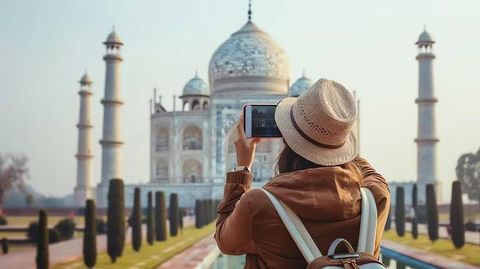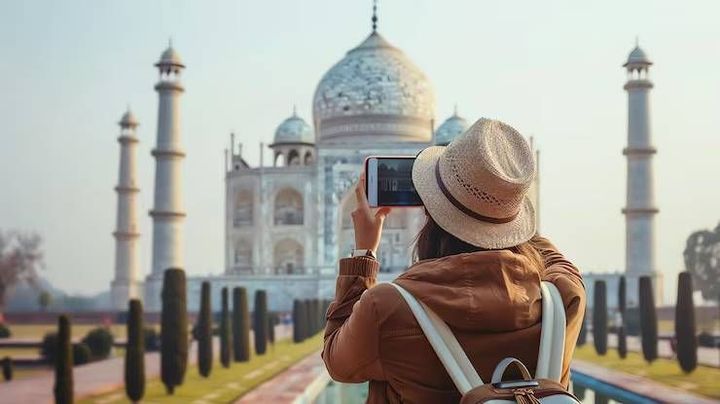
India Travel Guide: Destinations, Itineraries, Attractions, Activities and Planning Considerations
India is a large and geographically diverse country with historic cities, mountain regions, beaches, forests, deserts, cultural sites, pilgrimage destinations, and wildlife areas. An India Travel Guide helps travelers understand the country's destinations, itineraries, attractions, activities, transportation options, seasonal conditions, entry requirements, and practical planning considerations. The official Incredible India portal organizes destinations and itineraries by region, interests, and trip length, making it possible to explore travel ideas according to different types of journeys.
Understanding Travel in India
India's travel landscape developed through centuries of trade, religious movement, regional kingdoms, cultural exchange, and migration. Historic cities such as Delhi, Jaipur, Varanasi, Agra, Hyderabad, Kolkata, and Ahmedabad contain monuments, museums, markets, religious sites, and architectural landmarks connected with different periods of Indian history.
The country's geography also creates significant variety. The Himalayas extend across the north, while western India includes desert landscapes and long coastal areas. Southern states contain beaches, hill stations, forests, temples, and historic towns, while central and eastern regions include wildlife areas, archaeological sites, rivers, and cultural destinations.
Major Destination Categories
Travelers can organize an India Travel Guide around interests rather than only individual cities. Common categories include:
- Heritage: Forts, palaces, museums, archaeological sites, and historic districts.
- Nature: Mountains, forests, lakes, waterfalls, beaches, and national parks.
- Spiritual travel: Temples, monasteries, mosques, churches, pilgrimage centers, and sacred landscapes.
- Adventure: Trekking, hiking, rafting, scuba diving, mountain activities, and wildlife exploration.
- Food and culture: Regional cuisine, festivals, crafts, music, dance, and local traditions.
The official tourism portal provides itineraries ranging from short city visits to journeys lasting several weeks, covering destinations across India's regions.
Importance
Why Travel Planning Matters
India's size means that travel between two destinations can involve substantial differences in climate, geography, transport connections, and local customs. A traveler planning a mountain itinerary may need different preparations from someone visiting coastal cities or desert regions.
Planning also helps organize time around attractions. A city containing several museums and historic sites may require multiple days, while a smaller destination may fit into a shorter itinerary. Travel plans can therefore be structured around the number of available days rather than attempting to cover many distant locations.
Seasonal and Regional Considerations
Weather is another important part of an India Travel Guide. Winter conditions can be comfortable in many northern and central areas while mountain regions may experience snow or very cold temperatures. Summer can bring high temperatures in parts of northern, western, and central India, while monsoon conditions affect many regions during the rainy season.
A simple planning approach is to consider:
- Destination climate and seasonal conditions.
- Travel distance between locations.
- Local festivals and public holidays.
- Opening schedules for attractions.
- Required permits or entry documents.
- Suitable clothing and activity requirements.
- Availability of transportation between destinations.
Sample Itinerary Structure
| Trip length | Example focus | Possible destinations |
|---|---|---|
| 2–3 days | City and heritage | Delhi or Jaipur |
| 4–6 days | Heritage and culture | Delhi, Agra and Jaipur |
| 7–10 days | Southern travel | Bengaluru, Mysuru, Kerala |
| 7–10 days | Western travel | Mumbai, Gujarat, Rajasthan |
| 10–14 days | Mountain journey | Delhi, Himachal Pradesh or Uttarakhand |
| 14+ days | Multi-region journey | Northern, western or southern circuits |
These are planning examples rather than fixed itineraries. Actual travel time depends on transport connections, weather, attraction schedules, and personal interests.
Recent Updates
Tourism Activity and Infrastructure
Recent government tourism data shows continued movement in both domestic and international travel. The Ministry of Tourism's dashboard reports 4,286.90 million domestic tourist visits for 2025 and 25.27 million foreign tourist visits, with the figures representing the ministry's tourism measurement framework. The dashboard also provides 2026 data as it becomes available.
Tourism development has also increasingly focused on destination-level planning. Swadesh Darshan 2.0 was developed around sustainable and responsible destination development rather than only thematic travel circuits. Government documents describe projects involving tourism infrastructure, destination facilities, connectivity, and local participation.
Changing Travel Interests
Current tourism planning increasingly covers different forms of travel, including heritage, wildlife, rural tourism, sustainable tourism, adventure, wellness, gastronomy, and cultural experiences. The official Incredible India platform organizes trip ideas around these interests and provides filters for different journey lengths and regions.
Digital planning has also become an important part of travel preparation. Official tourism platforms provide destination information, itinerary ideas, weather information, airport information, currency tools, visa guidance, and other planning resources.
Laws or Policies
Entry Requirements for International Travelers
Foreign nationals generally need a valid passport or other recognized international travel document together with an appropriate visa or electronic visa unless an exemption applies. India's official visa portal states that eligible travelers can use designated eVisa categories and that entry requirements depend on nationality and travel purpose.
India's Immigration and Foreigners Act, 2025 establishes the legal framework covering matters such as passports and travel documents, visas, entry and exit, and regulation of foreign nationals. The Act came into force in 2025.
e-Arrival and Special Areas
Foreign nationals and OCI cardholders are required to complete the applicable e-Arrival information through the official government channels within the specified period before arrival. The e-Arrival Card is separate from a visa application.
Certain regions can have additional entry or permit requirements. Government information has described Protected Area Permit and Restricted Area Permit arrangements for identified areas, including parts of the Northeast and the Andaman and Nicobar Islands. Travelers should check current requirements for a particular destination before departure.
Tourism Development Policies
Government tourism programs also influence the development of destinations. Swadesh Darshan 2.0 focuses on sustainable and responsible tourism destinations, while PRASHAD addresses infrastructure development connected with pilgrimage and spiritual destinations. These programs are implemented with State and Union Territory governments.
Tools and Resources
Official Travel Information
The Incredible India website provides destination information, itinerary ideas, attractions, experiences, weather information, airport information, emergency numbers, public holiday information, and a currency converter. It also allows users to explore destinations according to interests and trip length.
Visa and Immigration Resources
International travelers can use the official India Visa Online portal to review visa categories, application procedures, passport requirements, and arrival information. The portal also provides information about e-Tourist Visa categories and related immigration procedures.
Planning Tools
Useful planning resources include:
- Digital maps for route planning and estimated travel time.
- Weather platforms for seasonal conditions.
- Railway and airline websites for schedules.
- Official state tourism websites for regional attractions.
- Currency conversion tools for understanding different currencies.
- Government travel advisories for current regional information.
- National park and protected-area websites for entry conditions and activity rules.
Using official sources is particularly important when checking immigration requirements, permits, attraction schedules, and temporary travel restrictions because these details can change.
FAQs
What should an India Travel Guide include?
An India Travel Guide should cover destinations, itineraries, attractions, transportation, seasonal conditions, activities, accommodation planning, entry requirements, local regulations, and practical travel considerations.
Which destinations can be included in an India Travel Guide?
An India Travel Guide can include Delhi, Agra, Jaipur, Mumbai, Goa, Kerala, Rajasthan, Gujarat, Himachal Pradesh, Uttarakhand, Ladakh, Karnataka, Tamil Nadu, Odisha, Assam, and many other regions. The appropriate destination depends on available time and travel interests.
How can travelers plan India travel itineraries?
India travel itineraries can be organized by region, trip length, transportation connections, climate, and interests such as heritage, nature, wildlife, food, spirituality, or adventure. Grouping nearby destinations can reduce unnecessary travel between distant areas.
Do international visitors need a visa for India?
Most foreign nationals need a valid passport and an appropriate Indian visa or eVisa unless they qualify for an exemption. Eligibility and requirements vary by nationality and travel purpose, so the official visa portal should be checked before travel.
What activities can travelers include in India travel plans?
Activities can include heritage visits, museum visits, trekking, hiking, wildlife observation, beach activities, cultural experiences, food exploration, spiritual visits, water activities, and visits to archaeological or historic locations. Availability depends on the destination, season, local rules, and activity conditions.
Conclusion
India combines diverse geography, historic sites, cultural traditions, wildlife areas, coastal destinations, and mountain landscapes within one country. A practical India Travel Guide can organize these choices around destination, trip length, season, transportation, activities, and applicable travel rules. Recent tourism development has placed greater attention on destination infrastructure, sustainable tourism, digital planning, and regional experiences. International travelers should also verify current visa, immigration, and permit requirements through official government sources before traveling.