Home Cleaning Guide: Techniques, Supplies, Room Types, Schedules and Practical Considerations
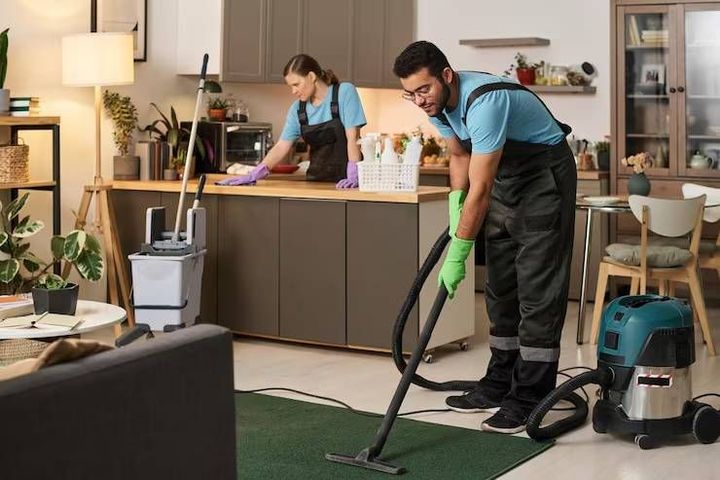
Home cleaning is the routine process of removing dust, dirt, stains, food residue, moisture, and unwanted clutter from living spaces. It developed from simple household practices into a more organized approach involving different cleaning techniques, supplies, room types, and schedules. A home cleaning guide helps people understand how tasks can be grouped by surface, room, frequency, and level of attention.
Context
How home cleaning is organized
Traditional household cleaning often relied on sweeping, washing, wiping, airing rooms, and storing household items properly. Modern homes contain a wider mix of materials, including glass, stainless steel, engineered wood, stone, plastics, painted surfaces, fabrics, and electronic equipment. Each material can require a different approach.
A useful home cleaning guide therefore starts with the surface rather than applying one technique everywhere. Dry dusting can be appropriate for loose dust, while damp wiping can remove light residue. Vacuuming can collect particles from floors and upholstery, while mopping can address washable hard floors.
Common cleaning techniques
Several basic methods are used across room types:
- Dusting: Removes loose particles from furniture, shelves, frames, and other surfaces.
- Vacuuming: Collects dust, crumbs, hair, and other debris from floors and fabrics.
- Sweeping: Moves loose debris from hard floors into a collection point.
- Mopping: Uses a suitable damp method for washable floor surfaces.
- Wiping: Removes marks, residue, and light buildup from surfaces.
- Spot cleaning: Focuses on a small stain or affected area rather than an entire surface.
Cleaning products should be used according to their labels. Different substances should not be mixed unless the manufacturer specifically states that they are compatible.
Importance
Everyday household needs
Home cleaning matters because dust, crumbs, moisture, stains, and clutter naturally accumulate through cooking, bathing, sleeping, moving around, and everyday activities. The amount of cleaning required varies with household size, room use, pets, outdoor exposure, cooking frequency, and the types of surfaces present.
A consistent schedule can also prevent small tasks from becoming large collections of work. For example, wiping a kitchen surface after food preparation may reduce later buildup, while regular bathroom drying can help manage moisture.
Room-specific considerations
Different rooms have different cleaning priorities. Kitchens commonly need attention to food-contact areas, countertops, sinks, floors, and appliance surfaces. Bathrooms require attention to sinks, toilets, showers, floors, mirrors, and moisture-prone areas. Bedrooms generally focus on dust, bedding, floors, and frequently touched surfaces.
| Room | Regular tasks | Periodic tasks |
|---|---|---|
| Kitchen | Wipe counters, clean sink, sweep floor | Clean appliances, cabinets, vents |
| Bathroom | Clean fixtures, wipe surfaces, mop floor | Clean grout, vents, storage areas |
| Bedroom | Dust surfaces, change bedding, vacuum | Clean under furniture, curtains |
| Living room | Dust, vacuum, tidy surfaces | Clean upholstery, windows |
| Entry area | Sweep or vacuum, organize items | Clean doors, mats, storage |
Recent Updates
Changing household routines
From 2024 through 2026, home cleaning has increasingly been discussed alongside waste reduction, material care, indoor organization, and more deliberate use of household products. Digital reminders, printable schedules, smart vacuum devices, washable cleaning tools, and concentrated household formulations have become part of the wider cleaning landscape.
Another notable change in India has been the development of updated waste-management rules. The Ministry of Environment, Forest and Climate Change lists the Solid Waste Management Rules, 2024 and later the Solid Waste Management Rules, 2026. The 2026 rules came into force in April 2026 and cover domestic solid waste generators among other categories. This makes household waste handling an increasingly relevant part of practical home routines.
Greater attention to waste separation
Home cleaning is connected with what happens after unwanted material leaves a room. Paper, food waste, packaging, broken household items, and other discarded materials may follow different collection and processing routes. Local rules can vary, so households should follow the instructions issued by their municipal authority.
Swachh Bharat Mission Urban 2.0 has also placed emphasis on sustainable solid waste management, sanitation, and used-water management in urban areas.
Laws or Policies
Household waste rules in India
India's Solid Waste Management Rules, 2026 apply to domestic solid waste generators as part of a broader national framework. The rules distinguish ordinary solid waste from categories such as hazardous waste, biomedical waste, electronic waste, battery waste, and certain other materials that are governed through separate frameworks.
For households, the practical implication is that discarded materials should not automatically be treated as one waste stream. Local municipal collection systems may specify how household waste should be separated, stored, or handed over.
Consumer and packaged-product information
Cleaning products and other packaged household goods also fall within India's broader consumer and measurement framework. The Department of Consumer Affairs administers the Consumer Protection Act, 2019 and Legal Metrology legislation, while packaged commodities are covered by the Legal Metrology (Packaged Commodities) Rules.
The legal framework has continued to change during 2025 and 2026. The Department of Consumer Affairs lists amendments to Legal Metrology rules during these years, while a 2026 reform introduced an improvement-notice mechanism for specified first-time procedural or regulatory issues. These developments primarily concern regulated businesses and packaged goods rather than ordinary household cleaning techniques.
Tools and Resources
Basic household supplies
A practical cleaning kit can be organized around the surfaces and rooms that require regular attention. Common items include:
- Microfiber or washable cloths for dusting and wiping
- A broom and dustpan for loose debris
- A vacuum cleaner for floors, rugs, and suitable upholstery
- A mop suited to the floor material
- A bucket or other container for damp cleaning
- Brushes for grout, corners, and narrow spaces
- Sponges or non-abrasive pads for suitable surfaces
- Labeled containers for keeping cleaning products organized
Planning resources
A weekly checklist, monthly calendar, or digital reminder can help divide tasks. A simple schedule can separate daily tidying from weekly room cleaning and less frequent tasks such as window cleaning, curtain care, appliance cleaning, and areas behind furniture.
Manufacturers' care instructions are useful resources for floors, appliances, fabrics, countertops, and specialty materials. Municipal websites can provide local information about household waste collection, segregation, and disposal categories. Government consumer-information portals can also help readers understand general rules related to packaged goods and consumer protection.
Practical safety considerations
Cleaning tools should be stored where children and pets cannot access unsuitable products. Labels should be read before use, ventilation should be considered when using strong formulations, and incompatible chemicals should not be combined.
The cleaning method should also match the material. Abrasive pads can mark some finishes, excess water can affect certain flooring, and unsuitable products can damage natural stone, wood, painted surfaces, or electronic equipment.
FAQs
How often should a home cleaning schedule be followed?
A home cleaning schedule can divide tasks according to household needs. Light tidying may happen daily, routine room cleaning weekly, and less frequent tasks monthly or seasonally.
What supplies are needed for a basic home cleaning guide?
A basic home cleaning guide can include cloths, a broom, dustpan, vacuum cleaner, mop, bucket, suitable brushes, and correctly labeled cleaning products. The exact supplies depend on room types and surface materials.
What cleaning techniques are suitable for different room types?
Dusting, vacuuming, sweeping, wiping, mopping, and spot cleaning are common techniques. The appropriate method depends on the surface, type of residue, and room conditions.
How should household cleaning waste be handled in India?
Household waste should be separated and handled according to applicable local collection instructions and national waste-management rules. The Solid Waste Management Rules, 2026 form part of the current national framework for domestic solid waste.
How can a cleaning schedule be made easier to follow?
A schedule can group tasks by frequency and room. For example, daily tasks can cover visible clutter and frequently used surfaces, weekly tasks can cover floors and fixtures, and monthly tasks can cover less frequently reached areas.
Conclusion
Home cleaning combines simple techniques with an understanding of rooms, surfaces, supplies, and cleaning frequency. A structured schedule can divide routine tasks into manageable groups while allowing room-specific needs to be considered. In India, household cleaning is also connected with waste-management and consumer-product rules that have continued to develop through 2024–2026. The appropriate approach depends on the materials, household conditions, product instructions, and local waste-handling requirements.