High-Protein Indian Diets Guide: Vegetarian Foods, Meal Plans, Portions and Nutrition
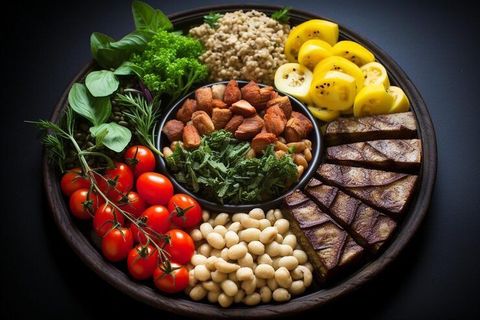
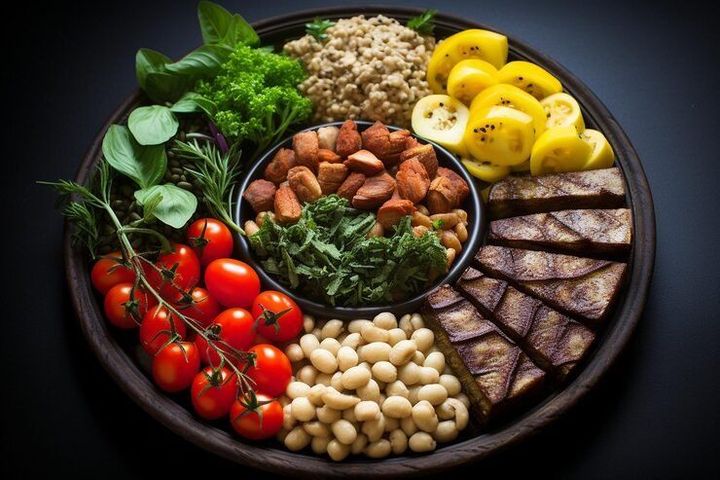
A high-protein Indian diet is a way of organizing familiar foods so that protein appears regularly across meals and snacks. In vegetarian eating patterns, common sources include dal, beans, chickpeas, soy foods, milk, curd, paneer, nuts, seeds and some whole grains. These foods come from long-established Indian food traditions rather than from a single modern diet system.
Context
A high-protein Indian diet is a way of organizing familiar foods so that protein appears regularly across meals and snacks. In vegetarian eating patterns, common sources include dal, beans, chickpeas, soy foods, milk, curd, paneer, nuts, seeds and some whole grains. These foods come from long-established Indian food traditions rather than from a single modern diet system.
Protein is one of the major nutrients needed for building and maintaining body tissues. It also contributes to enzymes, hormones and immune functions. The amount a person needs varies with age, body size, activity, pregnancy, breastfeeding and health status, so a high-protein diet does not mean that everyone needs the same quantity.
The 2024 Dietary Guidelines for Indians from ICMR-NIN place emphasis on a varied diet containing cereals or millets, pulses and beans, vegetables, fruits, nuts and dairy or other appropriate foods. The guidance also emphasizes physical activity, food safety and overall dietary balance.
Importance
Many Indian vegetarian meals are centered on grains, vegetables and pulses, but the amount of protein can vary substantially depending on portions and food combinations. A meal containing rice and vegetables, for example, may have less protein than a meal that also includes dal, curd, beans or soy.
A practical high-protein Indian diet can help people understand how to distribute protein through the day instead of relying on one large serving at dinner. It can also make meal planning easier for students, office workers, active adults and families who prefer vegetarian foods.
Vegetarian protein foods
Useful choices include:
- Dal such as moong, masoor, toor and chana dal
- Chickpeas, kidney beans, black-eyed peas and other beans
- Soybeans, tofu and tempeh
- Milk, curd and paneer
- Peanuts, almonds, walnuts and other nuts
- Sesame, pumpkin, sunflower and flax seeds
- Whole grains and millets, which contribute smaller amounts of protein
Protein quality and digestibility vary among foods. Combining different plant foods across the day can provide a broad range of amino acids while also adding fibre, minerals and other nutrients.
Portions and balance
Portion size matters because protein content depends on how much food is actually eaten. A useful meal pattern may include one protein-rich food, a grain or millet, vegetables and a suitable source of fat, with fruit or dairy included according to personal needs.
The 2024 ICMR-NIN guidance gives suggested food-group quantities for example adult patterns and shows that pulses and beans are an important part of a balanced Indian diet. It also illustrates that dietary needs change with work level and other characteristics.
| Food | Practical portion example | Main nutrition contribution |
|---|---|---|
| Cooked dal | 1 cup | Protein, fibre, folate |
| Cooked chickpeas or beans | 1 cup | Protein, fibre, minerals |
| Tofu | 100–150 g | Protein, minerals |
| Curd | 1 bowl | Protein, calcium |
| Paneer | 50–75 g | Protein, calcium, fat |
| Peanuts or mixed nuts | 25–30 g | Protein, unsaturated fat |
| Cooked soybeans | 1/2–1 cup | Protein, fibre |
These are meal-planning examples rather than universal prescriptions. Cooking methods, recipes and food composition can change the nutrient content of a serving.
Recent Updates
A notable development for Indian nutrition guidance was the release of the Dietary Guidelines for Indians 2024 by ICMR-NIN. The guidelines contain 17 recommendations and place attention on balanced food patterns, disease prevention, physical activity and groups with particular nutritional needs.
Recent nutrition discussions have also placed greater attention on millets, pulses, legumes, nuts and other traditional foods within varied diets. The current direction is less about one isolated nutrient and more about dietary diversity, appropriate portions and food quality.
FSSAI's Eat Right India initiative continues to focus on safe, healthy and sustainable food choices. Its consumer resources include food-safety information, food recalls, awareness material and nutrition education.
For people planning vegetarian meals, this trend means that protein can be considered alongside fibre, vegetables, fruits, whole grains, micronutrients and overall energy intake. A high-protein Indian diet is therefore more appropriately viewed as part of a balanced eating pattern.
Laws or Policies
Food and nutrition in India are influenced by the Food Safety and Standards Authority of India, or FSSAI, under the Food Safety and Standards Act, 2006. FSSAI's role includes food-safety standards and consumer information, while ICMR-NIN provides scientific nutrition guidance.
Government nutrition programs also address broader nutrition needs rather than protein alone. Policies and public-health initiatives cover areas such as maternal and child nutrition, food fortification, school nutrition and public awareness.
For packaged foods, food labels are regulated within India's food-safety framework. Nutrition information can help readers compare protein amounts and serving sizes, but labels should be interpreted in the context of the complete diet rather than one nutrient.
People with kidney disease, certain metabolic conditions, digestive disorders, or specific medical nutrition needs may require individualized protein guidance. Pregnancy, breastfeeding, childhood and older age can also change nutritional requirements, so general meal patterns should not be treated as personal medical advice.
Tools and Resources
Several public resources can help readers understand nutrition and plan meals.
ICMR-NIN Dietary Guidelines
The ICMR-NIN website provides the Dietary Guidelines for Indians 2024, along with information on nutrient requirements, recommended dietary allowances and food composition resources. These materials can help readers understand food groups and general nutrition concepts.
Nutrition and portion calculators
Food diaries, nutrition databases and portion calculators can help estimate protein intake from individual foods. Results depend on the recipe, preparation method and serving size, so estimates should be treated as approximate.
Meal-planning templates
A simple weekly table can divide breakfast, lunch, snacks and dinner into meal components. For example, each main meal can include a pulse, bean, soy food, dairy food or another suitable protein source alongside vegetables and a grain or millet.
Food labels and FSSAI resources
FSSAI's consumer portal provides information on food safety, recalls, licence verification and public nutrition initiatives. These resources can help readers understand packaged-food information and broader food-safety practices.
FAQs
What are high-protein vegetarian foods in an Indian diet?
Dal, chickpeas, kidney beans, soybeans, tofu, tempeh, curd, paneer, milk, peanuts and seeds are common high-protein vegetarian foods. Combining several of these across meals can increase total protein intake while adding other nutrients.
How can I make a high-protein Indian diet meal plan?
A simple meal plan can spread protein across breakfast, lunch, snacks and dinner. Examples include curd with breakfast, dal or beans at lunch, roasted chickpeas or peanuts as a snack, and tofu, paneer or dal with dinner.
How much protein should an Indian adult eat each day?
There is no single amount that fits every adult. Protein needs vary with body size, age, activity level and physiological conditions. The appropriate amount should be considered within total energy and nutrient needs.
Can a vegetarian Indian diet provide enough protein?
Yes, a varied vegetarian diet can contain protein from pulses, beans, soy foods, dairy, nuts, seeds and grains. Variety and adequate portions are important because individual foods differ in protein quantity and amino-acid composition.
Are protein portions different for older adults or active people?
They can be. Activity, age, body size and health status can influence nutritional requirements. Older adults and physically active people may have different needs from sedentary adults, so individualized guidance may be appropriate when dietary requirements are complex.
Conclusion
A high-protein Indian diet can be built around familiar vegetarian foods such as dal, beans, soy foods, dairy, nuts and seeds. Protein needs vary between individuals, so portions and meal patterns should reflect age, activity, body size and other nutritional factors. Current Indian guidance emphasizes dietary variety, balanced food groups, physical activity and food safety rather than focusing on protein alone. General nutrition resources from ICMR-NIN and FSSAI can help readers understand these principles.