Hair Smoothing at Home Guide: Techniques, Products, Preparation, Steps and Aftercare
Hair smoothing at home refers to routines and techniques used to make hair feel softer, look more polished, and appear easier to manage. Depending on the method, smoothing may involve conditioning treatments, controlled heat styling, temporary smoothing formulas, or techniques that reduce visible frizz without permanently changing the hair structure.
The idea of smoothing hair has existed alongside hairstyling practices that use oils, conditioners, combing, heat, and controlled drying. Modern haircare has expanded these methods with products designed for different textures, levels of dryness, and styling needs. A home routine can range from a simple wash-and-condition process to a multi-step hair smoothing treatment.
How Different Techniques Work
Some techniques mainly improve the surface appearance of the hair. Conditioning products can help hair feel softer, while careful blow-drying can temporarily make the strands appear smoother. Heat-based methods change the temporary arrangement of the hair until moisture and normal movement gradually return it to its usual form.
Chemical smoothing systems work differently because their ingredients can alter the structure of the hair. These products require particular attention to instructions, ventilation, application areas, processing time, and warnings. A home routine should therefore distinguish between temporary styling and chemical treatments.
Importance
Why People Use Home Smoothing Techniques
Hair can become difficult to manage because of dryness, humidity, frequent washing, heat styling, coloring, mechanical friction, or naturally coarse or curly textures. Smoothing routines are commonly used to reduce the appearance of frizz, improve combability, and create a more uniform surface.
The approach also matters because different hair conditions respond differently. Hair that is already dry, brittle, bleached, or heavily processed may react differently to heat or chemical products than relatively untreated hair.
Common Hair Concerns
A hair smoothing at home routine may address several everyday concerns:
- Frizz caused by humidity or surface roughness
- Dry-feeling strands after washing
- Tangling and difficult combing
- Uneven texture after air-drying
- Temporary puffiness during humid weather
- Lack of softness or surface shine
- Difficulty maintaining a consistent hairstyle
Smoothing does not mean that every strand becomes permanently straight. The visible result depends on hair texture, moisture level, technique, product formulation, and environmental conditions.
Comparing Common Approaches
| Approach | Main purpose | Heat involved | Structural change |
|---|---|---|---|
| Conditioning routine | Improve softness and manageability | No | Generally temporary |
| Blow-drying with controlled airflow | Create a smoother appearance | Yes | Temporary |
| Flat-iron styling | Straighten or polish the surface | Yes | Temporary |
| Smoothing mask | Add conditioning and reduce rough feel | Usually no | Temporary |
| Chemical straightening | Alter hair structure | Varies | Longer-lasting |
| Heatless wrapping | Reduce puffiness while drying | No | Temporary |
Recent Updates
Increased Interest in Heatless Methods
From 2024 through 2026, haircare discussions have increasingly included heatless styling, bond-focused conditioning routines, and methods intended to reduce repeated high-heat exposure. Heatless approaches use techniques such as wrapping, controlled drying, rollers, or overnight arrangements rather than relying entirely on heated tools.
At-home conditioning and bond-focused products have also received attention as people look for routines that address dryness and manageability alongside appearance. These approaches vary considerably by formulation and hair condition, so product directions remain important.
Greater Attention to Ingredient Safety
Recent regulatory activity has also increased attention to the ingredients used in hair-straightening and smoothing products. In India, the Central Drugs Standard Control Organisation maintains requirements for cosmetics, while Indian Standards provide specifications and restrictions for cosmetic ingredients.
A 2026 CDSCO regulatory action specifically addressed a hair-straightening cosmetic containing formaldehyde and cited the Cosmetics Rules, 2020 and applicable Indian standards. This illustrates why reading ingredient information and regulatory labeling is relevant when considering chemical hair smoothing at home.
Choosing Between Temporary and Chemical Smoothing
The current haircare landscape includes both temporary styling methods and chemical approaches. Temporary methods generally change the appearance for a limited period, while chemical systems can produce a more persistent structural effect.
For general home use, understanding this distinction is important because the preparation, precautions, and aftercare requirements are not identical.
Laws or Policies
Cosmetic Rules in India
For readers in India, hair straightening and smoothing products fall within the wider regulatory framework for cosmetics. The Cosmetics Rules, 2020 state that cosmetics must comply with applicable quality and safety standards. The rules also cover requirements associated with imported and manufactured cosmetics.
The official CDSCO framework includes hair relaxer and straightener products among recognized cosmetic categories. Applicable ingredients and product standards can be updated through Indian standards and regulatory notices.
Ingredient and Label Information
Labels are important when using a chemical smoothing product at home. Readers can check the ingredient list, directions, warnings, manufacturer information, batch details, and other required label information before application.
India's Bureau of Indian Standards provides a “Know Your Standard” platform that allows users to search Indian Standards by product name or standard number. BIS also explains that compulsory certification applies to particular products when required by government notification; certification is not automatically compulsory for every cosmetic product.
Safety and Misleading Claims
Indian cosmetic rules also address misleading representations. CDSCO states that a cosmetic should not convey a false or misleading idea to the intended user. This is relevant when interpreting statements about smoothing duration, ingredient effects, or expected appearance.
Regulatory requirements can vary between countries. Readers outside India should check the cosmetic rules and labeling requirements that apply in their own jurisdiction.
Tools and Resources
Hair Assessment and Preparation Tools
A simple home setup can include a wide-tooth comb, sectioning clips, a clean towel, a suitable brush, a blow dryer with adjustable airflow, and a heat-protection product when heat styling is involved.
Before starting, hair can be divided into sections so that products or heat are distributed more evenly. A mirror with good lighting can also make it easier to inspect the scalp and hair surface during preparation.
Product Information Resources
Useful resources include:
- Official product labels and instruction sheets
- Ingredient lists and manufacturer directions
- CDSCO cosmetic information for readers in India
- BIS “Know Your Standard” for applicable Indian Standards
- Haircare journals and educational publications discussing hair structure
- A personal haircare log for recording products, techniques, and how hair responds
A haircare log can include hair texture, previous chemical processing, washing frequency, heat exposure, products used, and observations after each routine. This can help identify patterns without assuming that one technique works equally for every person.
Preparation Before Smoothing
Preparation generally begins with clean hair and a review of the product instructions. Depending on the technique, hair may need to be washed, conditioned, partially dried, or completely dried before styling.
For chemical products, instructions should be followed exactly rather than combining formulas or changing processing times. If the scalp is irritated, broken, or unusually sensitive, postponing a chemical treatment and obtaining appropriate professional guidance may be more suitable than proceeding.
Steps for a Temporary Smoothing Routine
A basic non-chemical routine can follow these stages:
- Cleanse the hair according to its normal washing routine.
- Apply conditioner mainly through the lengths and ends when appropriate.
- Gently remove excess water without aggressive rubbing.
- Detangle gradually with a suitable comb or brush.
- Apply a heat-protection product before heated styling.
- Divide the hair into manageable sections.
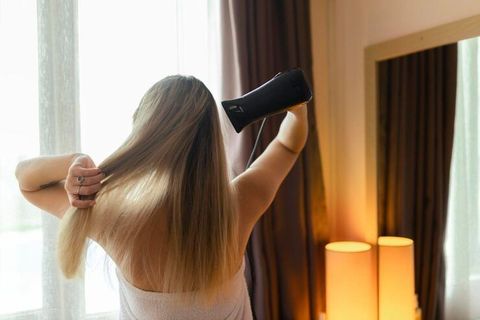
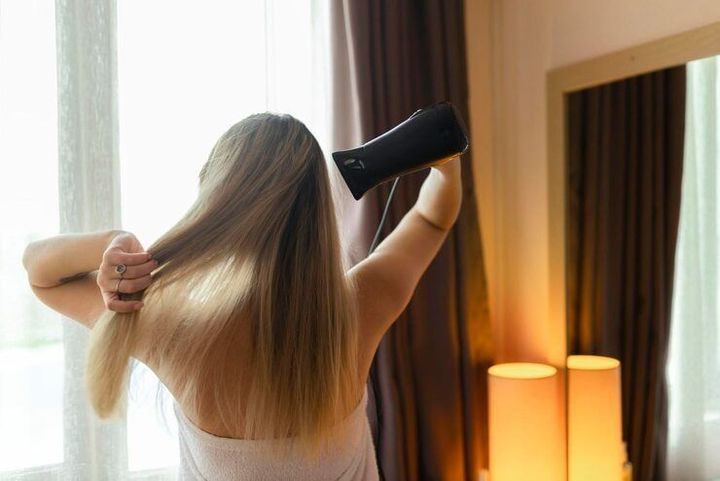
- Dry using controlled airflow and moderate heat.
- Finish by allowing the hair to cool before combing or arranging it.
The exact sequence can vary according to hair texture and the instructions for the products being used. Excessive heat or repeated passes over the same section can increase dryness and breakage.
Aftercare
Aftercare helps maintain the condition and appearance of smoothed hair. Common practices include limiting unnecessary heat, using gentle detangling techniques, protecting hair during sleep, and keeping the washing routine appropriate for the hair type.
After a chemical treatment, the product instructions should determine when the hair can be washed, wet, tied, or exposed to additional styling. Different formulations have different requirements, so a general schedule should not replace the manufacturer's directions.
FAQs
How can I do hair smoothing at home?
Hair smoothing at home can involve conditioning, heat styling, heatless techniques, or chemical products. Temporary methods generally focus on reducing frizz and improving manageability, while chemical methods can change the hair structure more substantially.
What products are used for hair smoothing at home?
Common products include moisturizing conditioners, smoothing masks, leave-in conditioners, heat-protection formulas, styling creams, and products specifically formulated for chemical straightening or smoothing. Ingredients and directions should be reviewed before application.
Is hair smoothing at home suitable for every hair type?
No single technique is suitable for every hair type or condition. Previously bleached, chemically processed, very dry, or fragile hair may require different handling from untreated hair.
How should I prepare before hair smoothing at home?
Preparation depends on the technique. For temporary styling, clean and appropriately conditioned hair can be detangled and divided into sections. Chemical treatments require careful review of the label, ingredient information, warnings, application directions, and any required preliminary testing.
How can I maintain smooth-looking hair after treatment?
Gentle washing, careful detangling, reduced unnecessary heat exposure, and suitable conditioning can help maintain a smoother appearance. Chemical treatments may have additional aftercare requirements stated on their product instructions.
Conclusion
Hair smoothing at home includes several approaches, from conditioning and heatless techniques to temporary heat styling and chemical treatments. The appropriate method depends on hair texture, existing damage, styling goals, and the formulation being used. Recent haircare trends have increased attention to heatless routines, conditioning, ingredient awareness, and product safety. In India, cosmetic products are subject to the Cosmetics Rules, 2020 and applicable Indian Standards, making label and ingredient information an important part of informed home haircare.