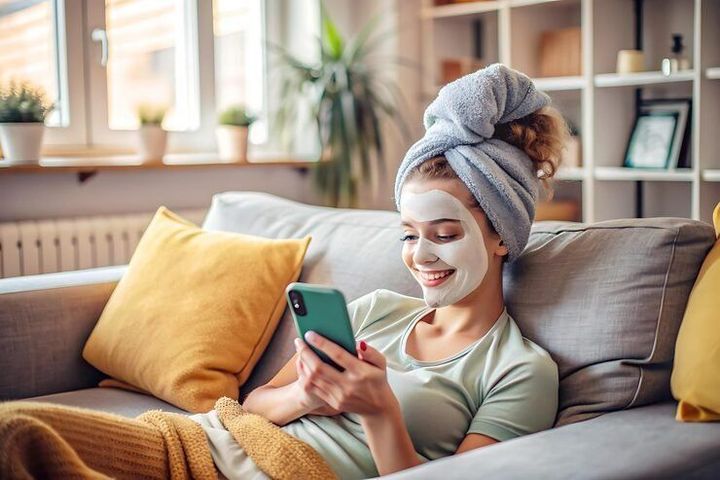
Facial at Home Guide: Cleansing, Exfoliation, Massage, Masks and Moisturizing Steps
An at-home facial is a structured skin-care routine that combines cleansing, exfoliation, gentle massage, a facial mask, and moisturizing. The purpose is to organize several familiar skin-care steps into one routine rather than treating a facial as a separate medical procedure. A simple facial at home can be adapted according to skin type, sensitivity, climate, and the products already used in a person's regular routine.
Context
What Is a Facial at Home?
A facial at home generally means carrying out a series of basic skin-care steps without visiting a professional skin-care setting. The routine may include removing makeup or surface residue, cleansing the face, gently exfoliating when appropriate, applying a mask, and finishing with moisturizer.
The order matters because each step prepares the skin for the next one. Dermatology guidance commonly places cleansing first, followed by any appropriate treatment, moisturizer, and daytime sun protection. Using too many products at once can increase the chance of irritation.
Where the Routine Comes From
Facial care has developed from long-standing practices involving cleansing, plant-based preparations, masks, massage, and moisturizing. Modern home routines have adapted these practices into organized skin-care sequences using commercially prepared cleansers, exfoliants, masks, moisturizers, and sunscreen.
The modern facial at home is therefore less about performing a complicated treatment and more about following a controlled sequence. The routine can be shortened when the skin is sensitive, dry, irritated, or already exposed to several active skin-care ingredients.
Basic Facial at Home Steps
A general sequence can include:
- Cleansing to remove surface dirt, oil, makeup, and other residue.
- Exfoliation to remove some dead skin cells when the skin can tolerate it.
- Massage using gentle movements without excessive pressure.
- A facial mask selected according to skin needs.
- Moisturizing to help maintain hydration.
- Sun protection when the routine is performed during the daytime.
Not every person needs every step during every routine. In particular, exfoliation and masks may need to be used less often than cleansing and moisturizing.
Importance
Why Home Facial Routines Matter
Daily exposure to sweat, environmental particles, cosmetics, and sunlight makes basic skin care relevant to many people. A structured routine can also make it easier to understand which products are being used and in what order.
The main challenge is avoiding unnecessary irritation. Scrubbing too strongly, exfoliating too frequently, combining several active ingredients, or using a mask that does not suit the skin can cause dryness, redness, burning, or discomfort. Dermatologists specifically caution that exfoliation should be selected according to skin type and performed gently.
Understanding Skin Type
Skin can generally be described as dry, oily, combination, normal, or sensitive. These descriptions are useful when selecting the intensity and type of facial steps, although an individual's skin can change with weather, age, hormones, medications, and other factors.
| Skin type | Common characteristics | Facial considerations |
|---|---|---|
| Dry | Roughness, flaking or tightness | Gentle cleansing and regular moisturizing |
| Oily | Noticeable shine or excess oil | Gentle cleansing and lightweight hydration |
| Combination | Oilier and drier areas | Adjust products to different facial areas |
| Sensitive | Stinging, burning or easy irritation | Limit fragrance, harsh scrubbing and strong exfoliation |
| Normal | Generally balanced and comfortable | Maintain a simple routine |
These categories are general descriptions rather than medical diagnoses. Persistent redness, painful acne, unexplained rashes, or recurring irritation may require professional evaluation.
Step 1: Cleansing
Cleansing is the foundation of a facial at home. Use lukewarm water and a gentle, non-abrasive cleanser, applying it with the fingertips rather than scrubbing with a rough material. After rinsing, pat the face dry with a soft towel.
Cleansing should remove surface residue without leaving the skin feeling excessively tight. For people with dry or sensitive skin, aggressive cleansing can increase discomfort.
Step 2: Exfoliation
Exfoliation removes some dead cells from the outer layer of the skin. At-home exfoliation can be mechanical, using a scrub or tool, or chemical, using an exfoliating ingredient.
The appropriate approach depends on the person's skin type and existing routine. Strong or frequent exfoliation can cause irritation, particularly when the skin is already sensitive. Dermatology guidance also notes that some people using products that increase skin sensitivity may need to avoid additional exfoliation.
Exfoliation should not be performed over open cuts, wounds, or sunburned skin. If burning or significant irritation develops, the routine should be stopped rather than continued.
Step 3: Gentle Facial Massage
Facial massage can be included as a relaxation-oriented part of the routine. Clean fingertips can be used to make light movements across the cheeks, forehead, jawline, and other comfortable areas.
Pressure should remain gentle. Pulling, pinching, vigorous rubbing, or repeatedly working over irritated areas can increase discomfort. Massage is not necessary for every facial routine, and it should not be used to replace treatment for a skin condition.
Step 4: Facial Masks
A facial mask can be used after cleansing and, when appropriate, exfoliation. Mask formulas vary considerably, so the ingredients should be considered alongside the person's skin type and existing routine.
For dry or sensitive skin, some masks contain moisturizing ingredients such as hyaluronic acid, glycerin, ceramides, or colloidal oatmeal. Masks intended for oily or acne-prone skin may contain ingredients designed to absorb oil or support gentle exfoliation.
Masks can also cause irritation when they contain ingredients that do not suit the user. Dermatology guidance notes that fragrance, essential oils, strong exfoliating ingredients, and rough physical exfoliants may be problematic for some people. A mask should be removed if it causes significant itching, burning, or stinging.
Step 5: Moisturizing
Moisturizing is generally the final skin-care step in an evening facial routine. It helps reduce water loss from the skin and can be particularly useful after cleansing or exfoliation.
Moisturizers are available as lotions, creams, gels, and ointments. People with oily or acne-prone skin may look for labels such as "non-comedogenic" or "won't clog pores," while people with dry skin may prefer a richer formulation.
During a daytime routine, sunscreen is normally applied after moisturizer when both products are used separately. Broad-spectrum sunscreen with SPF 30 or higher is commonly recommended for daily sun protection.
Recent Updates
Simpler Skin-Care Routines
From 2024 through 2026, dermatology education has increasingly addressed the risks of complicated skin-care routines and social-media-driven practices. The American Academy of Dermatology has highlighted concerns about viral do-it-yourself skin-care techniques, noting that online popularity does not establish that a technique is appropriate or safe for every skin type.
Current guidance also emphasizes that a routine does not need numerous products. Cleansing, moisturizing, and sun protection form a basic foundation, while additional steps such as exfoliation or masks can be considered according to individual skin needs.
Greater Attention to Skin Barrier Care
Recent educational material has also placed greater emphasis on avoiding unnecessary irritation. Facial masks, exfoliants, and multiple active ingredients can overlap, increasing the possibility of dryness or irritation.
This has made gentle cleansing, appropriate moisturizing, and controlled exfoliation important themes in current at-home skin-care guidance. The focus is increasingly on maintaining a manageable routine rather than adding a large number of steps.
Laws or Policies
Cosmetics Regulation in India
In India, cosmetics are regulated under the Drugs and Cosmetics Act, 1940 and the Cosmetics Rules, 2020. The Central Drugs Standard Control Organization (CDSCO) explains that cosmetic products manufactured in India are regulated through the applicable licensing system, while imported cosmetics are subject to registration requirements.
The Cosmetics Rules, 2020 also contain requirements concerning cosmetic quality, safety, labeling, and claims. CDSCO states that a cosmetic must not convey an idea that is false or misleading to the intended user.
Consumer Protection and Advertising
India's consumer-protection framework also includes the Guidelines for Prevention of Misleading Advertisements and Endorsements for Misleading Advertisements, 2022. These guidelines are administered through the Central Consumer Protection Authority under the Consumer Protection Act framework.
For readers, this means claims made about cosmetic products should be interpreted carefully. Cosmetic information should not automatically be treated as medical evidence, and a general facial routine should not be presented as a substitute for diagnosis or treatment of a skin condition.
Tools and Resources
Basic Home Tools
A straightforward facial at home does not require complicated equipment. Common items include:
- A gentle facial cleanser
- A clean towel
- A facial moisturizer
- A suitable mask
- A sunscreen for daytime use
- Clean fingertips for gentle massage
- A timer for following product instructions
A mirror with adequate lighting can also help with applying products evenly and checking whether an area appears irritated.
Skin-Care Information Resources
Reliable educational resources can help readers understand ingredients and routine order. The Central Drugs Standard Control Organization provides information about cosmetic regulation in India, including the Cosmetics Rules, 2020.
Dermatology organizations also provide general information about cleansing, exfoliation, masks, moisturizing, and sun protection. Such resources can be useful when comparing general skin-care guidance with information encountered on social media.
A Simple Routine Record
A small written record can help identify patterns when introducing products. It can include the product name, date of first use, skin area, frequency, and any noticeable reaction.
Introducing several unfamiliar products at the same time can make it difficult to determine which product caused irritation. Keeping the routine simple can make changes easier to observe.
FAQs
How do I do a facial at home?
A basic facial at home can follow the sequence of cleansing, optional gentle exfoliation, gentle massage, a suitable mask, and moisturizing. Daytime routines should also include appropriate sun protection. Exfoliation and masks are not necessary for every skin type or every routine.
How often should I exfoliate during a facial at home?
There is no single schedule that suits everyone. Frequency depends on skin type, the exfoliation method, and other products being used. Excessive exfoliation can cause redness and irritation, so a gentler approach may be appropriate for sensitive or dry skin.
Is facial massage necessary?
Facial massage is optional. It can be included as a gentle part of the routine, but it is not required for basic skin care. Avoid strong pressure or massage over irritated, painful, or damaged skin.
Which facial mask is suitable for dry or sensitive skin?
Masks containing moisturizing ingredients such as ceramides, glycerin, hyaluronic acid, or colloidal oatmeal may be used in routines for dry or sensitive skin. Ingredient suitability varies, and products that cause burning, itching, or irritation should be removed.
Should I moisturize after exfoliation?
Moisturizing after exfoliation can help reduce dryness because exfoliation may remove some surface oils and increase dryness. Dermatology guidance specifically recommends applying moisturizer after exfoliating.
Conclusion
A facial at home can be organized around cleansing, optional exfoliation, gentle massage, a suitable mask, and moisturizing. The appropriate routine depends on skin type, sensitivity, existing products, and how the skin responds. Current skin-care guidance places emphasis on gentle practices, avoiding excessive exfoliation, and maintaining a manageable routine. Cosmetic products in India are also subject to regulatory requirements concerning quality, safety, labeling, and claims.