Benefits of Boiler Systems: Guide, Insights, and Practical Overview for Modern Heating
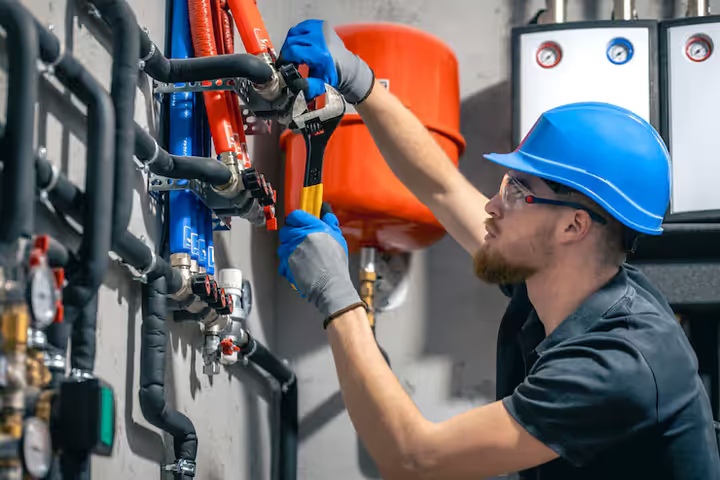
Boiler systems are central heating solutions designed to generate heat by converting water into steam or hot water, which is then distributed throughout residential, commercial, or industrial spaces. Unlike forced-air systems, boilers rely on radiant or hydronic heating methods, making them a widely used option in colder climates and industrial operations.
In recent years, the relevance of boiler systems has grown due to increasing energy efficiency standards, sustainability goals, and rising fuel costs. Governments and industries are focusing on reducing carbon emissions, which has led to innovations in high-efficiency condensing boilers, hybrid heating systems, and smart control technologies. As a result, understanding the benefits of boiler systems has become important not only for engineers and facility managers but also for homeowners and policy planners.
The comparison between boiler systems and alternative heating methods—such as furnaces or heat pumps—matters today because of evolving environmental regulations, energy pricing volatility, and the demand for consistent indoor comfort. With advancements in automation and fuel flexibility, modern boilers are no longer just traditional heating units but integrated components of efficient energy systems.
Who It Affects and What Problems It Solves
Boiler systems impact a wide range of users across different sectors. In residential settings, homeowners rely on boilers for consistent heating and hot water supply. In commercial buildings such as offices, hospitals, and hotels, boilers ensure temperature stability and operational efficiency. Industrial sectors—including manufacturing, food processing, and power generation—depend heavily on boilers for process heating, steam production, and energy generation.
For facility managers and engineers, boiler systems offer centralized control and scalability. They can be adapted to meet varying load demands, making them suitable for both small-scale and large-scale applications. Additionally, policymakers and environmental regulators are increasingly involved due to the role boilers play in energy consumption and emissions.
Problems Boiler Systems Solve
- Inconsistent Heating: Boilers provide even heat distribution through radiant systems, reducing cold spots.
- Energy Inefficiency: Modern boilers, especially condensing types, achieve high efficiency levels compared to older systems.
- High Operational Costs: Efficient fuel use and heat retention help lower long-term energy expenses.
- Air Quality Issues: Unlike forced-air systems, boilers do not circulate dust, allergens, or pollutants.
- Industrial Process Requirements: Boilers generate steam required for sterilization, manufacturing, and chemical processes.
Recent Updates and Trends
Over the past year, several notable trends have influenced the boiler systems landscape:
1. Increased Adoption of Condensing Boilers
Condensing boilers have become more common due to their ability to capture and reuse heat from exhaust gases. This improves efficiency significantly compared to traditional models.
2. Integration with Renewable Energy
Hybrid systems combining boilers with solar thermal or heat pumps are gaining traction. These systems reduce reliance on fossil fuels while maintaining reliability.
3. Smart Boiler Technology
The integration of IoT (Internet of Things) has enabled remote monitoring, predictive maintenance, and automated performance optimization. Smart thermostats and control systems are improving user efficiency.
4. Emission Regulations Tightening
Countries are implementing stricter emission norms, encouraging the transition to low-NOx (nitrogen oxide) and hydrogen-ready boilers.
5. Fuel Diversification
There is a gradual shift toward alternative fuels such as biomass, biogas, and hydrogen blends, particularly in industrial applications.
Boiler Systems Comparison Table
| Feature | Traditional Boilers | Condensing Boilers | Electric Boilers | Biomass Boilers |
|---|---|---|---|---|
| Energy Efficiency | Moderate (70–80%) | High (90–98%) | Very High | High |
| Fuel Type | Gas/Oil | Gas/Oil | Electricity | Wood pellets/agricultural waste |
| Installation Cost | Lower | Moderate | Moderate | Higher |
| Operating Cost | Moderate | Lower (due to efficiency) | Higher (electric rates) | Variable |
| Environmental Impact | Higher emissions | Lower emissions | Low (depends on grid) | Renewable but particulate emissions |
| Maintenance Needs | Moderate | Slightly higher | Low | High |
| Best Use Case | Older systems | Modern homes/buildings | Small spaces | Rural/industrial settings |
Laws and Policies Affecting Boiler Systems
Boiler systems are regulated by various national and regional policies to ensure safety, efficiency, and environmental compliance.
India (Example Context)
In India, boiler usage is governed by the Indian Boilers Act, 1923, along with subsequent amendments and state-level rules. These regulations focus on:
- Safety standards for installation and operation
- Periodic inspections and certifications
- Operator qualifications and licensing
- Pressure and temperature limits
Additionally, environmental policies such as those from the Central Pollution Control Board (CPCB) impose emission standards, especially for industrial boilers.
Practical Guidance
- Residential Users: Should opt for energy-efficient models that comply with Bureau of Energy Efficiency (BEE) standards.
- Industrial Operators: Must ensure compliance with emission norms and safety inspections to avoid penalties.
- Commercial Buildings: Should consider hybrid or low-emission systems to meet sustainability goals and reduce long-term costs.
Government incentives or subsidies may also be available for adopting cleaner technologies, particularly in energy-intensive industries.
Tools and Resources
Understanding and managing boiler systems effectively requires access to reliable tools and resources. Below are commonly used options:
1. Efficiency Calculators
- Online boiler efficiency calculators help estimate fuel consumption and cost savings.
- Useful for comparing different boiler types before installation.
2. Energy Audit Software
- Tools that analyze energy usage patterns in buildings or industrial setups.
- Helps identify optimization opportunities.
3. Monitoring Systems
- IoT-based platforms for real-time monitoring of temperature, pressure, and fuel usage.
- Enables predictive maintenance and reduces downtime.
4. Government Portals
- Websites from energy departments or regulatory bodies provide compliance guidelines, certification processes, and updates.
5. Technical Manuals and Standards
- ASME (American Society of Mechanical Engineers) and BIS (Bureau of Indian Standards) documents for design and operation.
6. Maintenance Checklists
- Templates used by facility managers to ensure routine inspection and safety compliance.
Frequently Asked Questions (FAQ)
1. What are the main advantages of boiler systems over furnaces?
Boiler systems provide more consistent and even heating, better air quality, and higher efficiency in many cases, especially with modern condensing models.
2. Are boiler systems energy-efficient?
Yes, especially newer condensing boilers, which can achieve efficiency levels above 90% by reusing heat from exhaust gases.
3. What industries rely most on boiler systems?
Industries such as manufacturing, food processing, pharmaceuticals, and power generation heavily depend on boilers for steam and heat.
4. Do boiler systems require regular maintenance?
Yes, routine inspections and maintenance are essential to ensure safety, efficiency, and compliance with regulations.
5. Can boiler systems be integrated with renewable energy?
Yes, modern systems can be combined with solar thermal or heat pumps to reduce fuel consumption and emissions.
Conclusion
Boiler systems remain a critical component of modern heating and industrial energy infrastructure. Their benefits—ranging from consistent heat distribution and improved energy efficiency to adaptability across various sectors—make them a reliable choice for both residential and industrial applications.
Recent advancements, including condensing technology, smart controls, and renewable integration, have significantly enhanced their performance and sustainability. Data from energy efficiency studies consistently shows that upgrading from traditional to modern boiler systems can lead to noticeable reductions in fuel consumption and emissions, particularly in high-demand environments.
However, the choice of boiler type depends on specific needs, such as space size, fuel availability, regulatory requirements, and budget constraints. For example, condensing boilers are ideal for modern buildings, while biomass systems may suit rural or industrial setups.
Overall, boiler systems continue to evolve as efficient, adaptable, and regulation-compliant solutions. For most users, selecting a high-efficiency, compliant system aligned with current standards offers the best balance of performance, cost-effectiveness, and environmental responsibility.