Explore Solar Inverter Systems A Complete Guide with Basics, Insights, and Practical Knowledge
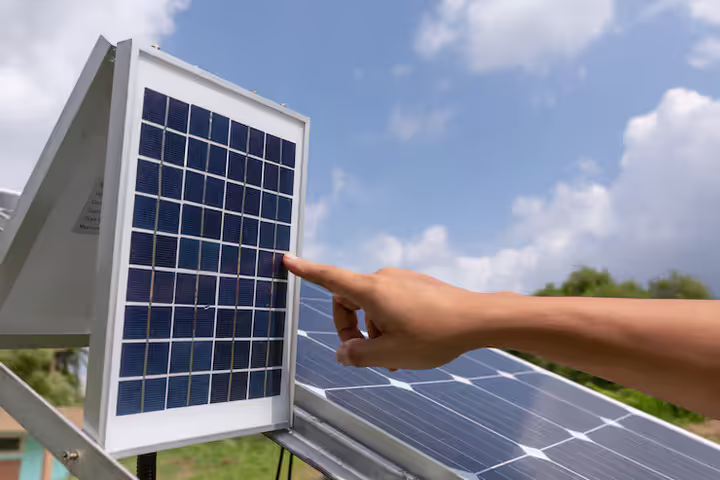
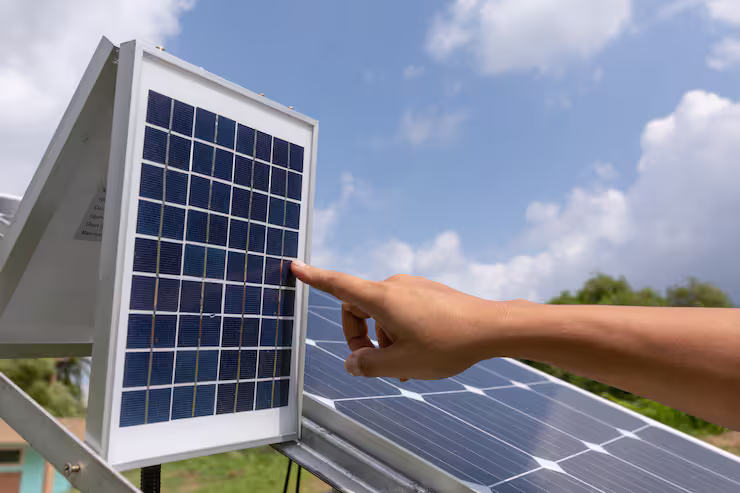
Solar inverter systems are a foundational component of modern solar energy architecture. They exist to convert direct current (DC) electricity produced by solar panels into alternating current (AC), which is compatible with residential, commercial, and industrial electrical networks. Without an inverter, solar-generated power cannot integrate with appliances, machinery, or the utility grid.
Over time, solar inverters have evolved from simple power converters into intelligent energy management devices. Today’s systems handle voltage regulation, frequency synchronization, power optimization, and system monitoring. Advanced designs integrate digital controls, communication interfaces, and safety mechanisms that support stable and efficient solar power utilization.
Solar inverter systems are generally classified into:
-
Grid-connected inverters that synchronize with utility networks
-
Off-grid inverters designed for independent energy systems
-
Hybrid inverters that manage solar input, battery storage, and grid interaction
This diversity exists to address different energy environments, from urban rooftops to remote locations.
Why Solar Inverter Systems Matter Today
The importance of solar inverter systems has increased significantly due to global energy transitions and the rapid expansion of renewable power capacity. These systems affect homeowners, commercial facilities, manufacturing units, utilities, and policymakers alike.
Key reasons solar inverter systems are critical today include:
-
Energy efficiency optimization through Maximum Power Point Tracking (MPPT)
-
Grid stability support via voltage and frequency control
-
Energy independence enhancement when combined with storage systems
-
Carbon emission reduction by enabling clean electricity usage
Solar inverters also solve practical challenges such as fluctuating solar output, grid disturbances, and load variability. Intelligent inverters can automatically disconnect during grid faults, ensuring safety while maintaining compliance with electrical standards.
From a broader perspective, solar inverter systems enable distributed generation, reducing transmission losses and supporting decentralized energy models.
Recent Updates, Trends, and Developments
The past year has seen notable progress in solar inverter technology and deployment.
Key developments during 2024–2025 include:
-
AI-enabled inverter monitoring (2024): Manufacturers introduced predictive diagnostics using machine learning to identify performance deviations before failures occur.
-
Wide adoption of hybrid inverters (mid-2024): Increased integration with lithium-ion and LFP battery systems for energy resilience.
-
Enhanced grid-support functions (late 2024): Smart inverters now provide reactive power control and low-voltage ride-through features in line with updated grid codes.
-
Cybersecurity-focused firmware updates (2025): Emphasis on encrypted communication protocols for inverter data systems.
Another significant trend is the standardization of higher efficiency ratings, with many modern inverters exceeding 98% conversion efficiency under optimal conditions.
Laws, Policies, and Regulatory Influence in India
In India, solar inverter systems operate within a structured regulatory environment shaped by national and state-level policies.
Important regulatory influences include:
-
Central Electricity Authority (CEA) Technical Standards: Define safety, connectivity, and performance requirements for grid-interactive inverters.
-
Bureau of Indian Standards (BIS): Certification requirements ensure product quality and electrical safety.
-
Net metering and grid interconnection guidelines: Govern how inverter systems synchronize with distribution networks.
-
National Solar Mission (updated guidelines 2024): Encourages advanced inverter adoption to improve grid reliability with higher renewable penetration.
State electricity regulatory commissions may also impose additional technical conditions related to inverter capacity, anti-islanding protection, and data reporting.
Tools, Platforms, and Knowledge Resources
A wide range of tools and resources support learning, planning, and optimizing solar inverter systems.
Commonly used resources include:
-
Solar inverter efficiency calculators for performance estimation
-
PV system simulation software for load matching and output forecasting
-
Energy monitoring dashboards integrated with smart inverters
-
Grid code compliance documents published by regulatory bodies
-
Technical datasheet libraries from inverter manufacturers
Example comparison table: Solar Inverter Types
| Inverter Type | Grid Interaction | Battery Integration | Typical Application |
|---|---|---|---|
| Grid-Tied Inverter | Yes | No | Urban rooftops |
| Off-Grid Inverter | No | Yes | Remote installations |
| Hybrid Inverter | Yes | Yes | Flexible energy systems |
Indicative performance graph (conceptual):
| Solar Irradiance Level | Output Stability | MPPT Effectiveness |
|---|---|---|
| Low | Moderate | High |
| Medium | High | Very High |
| High | Very High | Optimized |
These tools help users understand system behavior under varying environmental and load conditions.
Frequently Asked Questions About Solar Inverter Systems
What is the role of MPPT in a solar inverter?
MPPT technology continuously adjusts operating parameters to extract maximum power from solar panels under changing sunlight and temperature conditions.
How long do solar inverter systems typically operate effectively?
Most modern inverters are designed for long operational lifespans, often exceeding a decade when maintained within recommended electrical and environmental limits.
Can solar inverters function during grid interruptions?
Grid-connected inverters automatically disconnect during outages for safety. Hybrid and off-grid systems can continue supplying power through storage integration.
Are smart inverters different from traditional inverters?
Yes. Smart inverters include communication, monitoring, and grid-support features beyond basic DC-to-AC conversion.
Do solar inverter systems require regular monitoring?
Ongoing monitoring is recommended to ensure optimal efficiency, detect anomalies, and maintain compliance with grid standards.
Conclusion
Solar inverter systems are the intelligent core of solar energy solutions, transforming raw solar output into usable, stable electricity. Their role extends beyond conversion to include optimization, protection, and communication within modern power networks. With ongoing technological advancements, supportive regulatory frameworks, and increasing renewable adoption, solar inverters continue to shape the future of sustainable energy infrastructure.