Driving Training Car Rentals Guide: Training Vehicles, Rental Requirements and Essential Features
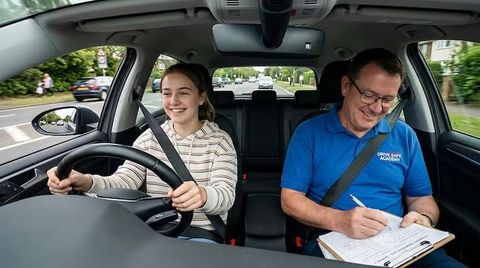
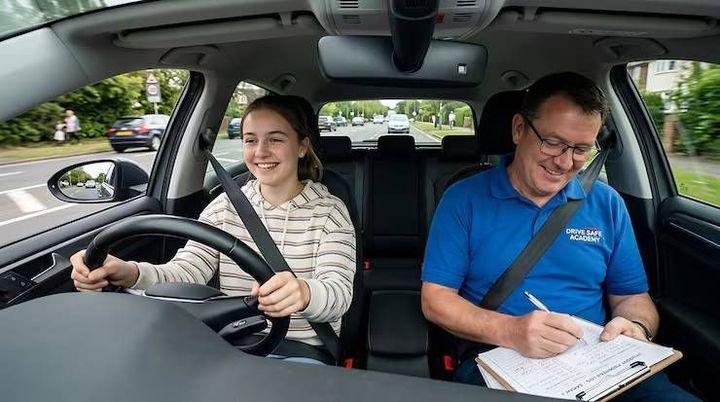
A Driving Training Car Rentals Guide explains how training vehicles are selected, what rental requirements may apply, and which vehicle features support supervised driving practice. Driving training vehicles are used by learner drivers, driving schools, instructors, and organizations that provide practical driver education. These vehicles may be specially equipped with additional controls or may be standard passenger cars used for training where local rules permit.
Context
A Driving Training Car Rentals Guide explains how training vehicles are selected, what rental requirements may apply, and which vehicle features support supervised driving practice. Driving training vehicles are used by learner drivers, driving schools, instructors, and organizations that provide practical driver education. These vehicles may be specially equipped with additional controls or may be standard passenger cars used for training where local rules permit.
Driver training developed alongside the expansion of motor vehicles and the need to prepare drivers for public-road conditions. As driving education became more structured, training organizations began using dedicated vehicles, instructor supervision, and practical assessment methods. Renting a training car can help individuals or driving schools access a suitable vehicle without maintaining a dedicated fleet throughout the year.
Types of Driving Training Vehicles
Training vehicles vary according to the driver's experience, the vehicle category being studied, and the rules of the relevant jurisdiction.
Dual-control cars: Vehicles fitted with additional instructor controls, commonly including a separate brake pedal, to help an instructor intervene when necessary.
Standard passenger cars: Ordinary cars used for supervised practice when permitted by local law and rental conditions.
Compact training cars: Smaller vehicles that may be easier for learners to position and maneuver in restricted spaces.
Automatic transmission cars: Vehicles that allow learners to focus on steering, observation, and traffic awareness without manually changing gears.
Manual transmission cars: Vehicles used to practise clutch control, gear selection, and coordination.
Special-category vehicles: Motorcycles, commercial vehicles, or other vehicles used for training under separate licensing and safety requirements.
A rental vehicle described as suitable for driving practice may not have dual controls. Confirming the vehicle's equipment and permitted use is therefore an important part of planning.
Importance
Driving training car rentals can support learners who do not have access to an appropriate vehicle or whose household car is unsuitable for supervised practice. They can also help driving schools manage vehicle availability when learner numbers change or when a particular transmission type is needed.
Suitable training vehicles allow learners to practise basic skills in a controlled manner under appropriate supervision. These skills include starting, stopping, turning, reversing, parking, maintaining a safe following distance, and responding to road signs. Vehicle suitability matters because unfamiliar controls, poor visibility, or an unsuitable seating position can make learning more difficult.
Essential Features of a Training Car
A training vehicle should be appropriate for the learner's stage, the planned exercises, and applicable legal requirements.
Instructor controls: Dual pedals can allow a qualified instructor to assist with braking, depending on the vehicle configuration and local rules.
Visibility: Clear windows, properly adjusted mirrors, and a suitable driving position help learners observe traffic and pedestrians.
Safety equipment: Functional seat belts, airbags where fitted, working lights, and properly maintained brakes are important.
Simple controls: Clearly identified dashboard indicators and accessible controls can reduce confusion during practice.
Vehicle condition: Tires, steering, brakes, mirrors, and warning systems should be in suitable working condition.
Transmission type: The vehicle should match the learner's training objectives and the licensing category being pursued.
Dual controls are an aid rather than a substitute for instructor attention, safe driving practices, or proper vehicle maintenance.
Comparing Training Car Rental Options
The following table summarizes common vehicle types and their general training uses.
| Vehicle type | Typical training purpose | Main consideration |
|---|---|---|
| Compact manual car | Gear changes and basic road practice | Clutch control and maneuverability |
| Automatic car | Steering and traffic awareness | Transmission-related licensing rules |
| Dual-control car | Instructor-supervised lessons | Control installation and instructor suitability |
| Standard passenger car | Practice where permitted | Insurance and supervision conditions |
| Commercial training vehicle | Category-specific instruction | Vehicle class and licensing requirements |
The appropriate option depends on the learner's needs and local regulations. Rental descriptions should be checked carefully because vehicle size, transmission, instructor controls, and permitted use can differ between listings.
Recent Updates
Driving education and vehicle rental arrangements have increasingly incorporated digital booking systems, electronic documentation, and vehicle safety technology. From 2024 through 2026, broader mobility trends have included the continued development of driver-assistance systems, connected vehicle features, and online scheduling tools. The availability of these features depends on the vehicle, rental provider, and market.
Digital Booking and Vehicle Technology
Online rental platforms can help users compare vehicle categories, pickup locations, rental periods, and stated conditions. Some platforms also support digital identity checks, electronic agreements, payment records, and reservation changes. However, a vehicle listing may not clearly establish whether the car is approved for learner practice or fitted with instructor controls.
Modern passenger cars may include features such as rear-view cameras, parking sensors, lane-departure alerts, and automatic emergency braking. These systems can provide additional information or assistance, but their functions vary by model and do not replace observation, judgment, or instructor supervision. Learners should become familiar with the specific vehicle before driving.
Electric Vehicles and Driver Education
Electric vehicles are also becoming part of wider driver education discussions. They can differ from conventional cars in acceleration, regenerative braking, dashboard displays, and charging arrangements. Training with an electric vehicle may help learners understand these characteristics, provided the vehicle is suitable for the relevant licensing requirements.
Rental availability and training policies vary by location. Instructors and learners should verify whether an electric or hybrid vehicle is accepted for the intended practical test and whether any special operating instructions apply.
Laws or Policies
Driving training car rentals are governed by road traffic laws, learner licensing rules, vehicle registration requirements, insurance conditions, and rental agreements. Requirements differ by country and may also vary by state or region. A rental agreement alone does not authorize an unlicensed person to drive on public roads.
Learner Driving Rules in India
In India, the Motor Vehicles Act, 1988, and the Central Motor Vehicles Rules, 1989, form important parts of the legal framework for driving licences and motor vehicle use. Learners generally need an appropriate learner's licence before practising on public roads, subject to the applicable category and conditions.
Learner drivers must follow the conditions attached to their licence, including applicable display requirements and supervision rules. The exact requirements can depend on the vehicle category and current regulations. Information from the Ministry of Road Transport and Highways and the relevant Regional Transport Office can help clarify local procedures.
Driving schools and instructors may also need to meet applicable authorization, qualification, or vehicle-related requirements. A rented car intended for ordinary travel should not automatically be assumed suitable for formal driving instruction or a practical driving test.
Insurance and Rental Conditions
Before using a rental car for training, the renter should check whether the rental agreement permits learner driving and whether the insurance policy covers that activity. Some agreements restrict use to named drivers, exclude instruction, or require a specific licence category. Coverage may also differ for damage, third-party liability, and damage to the rental vehicle.
Important checks include:
Valid registration and required vehicle documents.
Applicable insurance and permitted-driver conditions.
Learner's licence requirements and supervision rules.
Approval for dual-control equipment where relevant.
Restrictions on practical tests, commercial instruction, or cross-border travel.
Failure to meet licensing or rental conditions can create legal and financial complications. Current requirements should be confirmed with the relevant transport authority and the rental provider.
Tools and Resources
Several digital resources can help learners and instructors understand rental requirements, prepare for lessons, and organize vehicle arrangements. Their usefulness depends on the local licensing system and the type of training being undertaken.
Government and Driving Education Resources
The Ministry of Road Transport and Highways and the Parivahan portal provide information about driving licences, learner applications, vehicle documentation, and related procedures in India. Regional Transport Offices can clarify requirements that apply to a specific licence category or location.
Driving school materials may include lesson plans, vehicle inspection checklists, road-sign guides, and practical assessment sheets. These resources can help structure lessons around vehicle control, observation, traffic rules, and safe maneuvering.
Rental Comparison and Planning Tools
Rental websites can help users review vehicle specifications, transmission types, pickup arrangements, insurance conditions, and booking terms. Direct confirmation may be necessary when a listing does not specify whether learner practice or instructor controls are permitted.
A training plan can also be organized using a spreadsheet or calendar. Useful fields include the lesson date, vehicle registration, instructor details, planned practice skills, rental period, document checklist, and any reported vehicle issues.
Vehicle Inspection Checklist
Before a training session, the driver or instructor can check the following:
Confirm tire condition, lights, mirrors, and visible vehicle damage.
Check that seat belts and required safety equipment function properly.
Adjust the seat, steering position, and mirrors before moving.
Identify the controls, warning indicators, and transmission operation.
Confirm the rental documents and insurance conditions.
Check that instructor controls work correctly when the vehicle is equipped with them.
Any apparent safety defect should be addressed before the vehicle is driven. A checklist supports routine preparation but does not replace a qualified inspection or required maintenance.
FAQs
Can a learner rent a car for driving practice in India?
Eligibility depends on the learner's licence, rental agreement, insurance conditions, and applicable supervision rules. Many rental arrangements restrict who may drive, so permission for learner practice should be confirmed before the vehicle is used.
What is a dual-control driving training car?
A dual-control car has additional controls, commonly including a separate brake pedal for the instructor. This equipment can support supervised lessons, but it does not eliminate the need for appropriate instruction and safe driving practices.
What documents are needed for driving training car rentals?
Requirements may include an appropriate driving licence, identity documents, rental confirmation, and vehicle or insurance records. The exact documents depend on the country, rental provider, driver category, and intended use.
Are automatic cars suitable for driving training?
Automatic cars can help learners practise steering, observation, positioning, and traffic awareness without manual gear changes. Licensing rules may distinguish between automatic and manual transmission tests, so the intended licence category should be checked.
Does rental car insurance cover driving lessons?
Coverage depends on the policy and rental agreement. Some policies restrict learner drivers or instructional use, so the renter should obtain confirmation of the applicable coverage before practice begins.
Conclusion
Driving training car rentals provide access to vehicles for supervised practice, instructor-led lessons, and selected driver education activities. Vehicle type, instructor controls, safety features, licensing rules, and insurance conditions all influence whether a rental is appropriate. Digital platforms can simplify vehicle comparisons and lesson planning, but listing details should be verified against the rental agreement and applicable regulations. Understanding these factors helps clarify the practical and legal requirements associated with training vehicles.