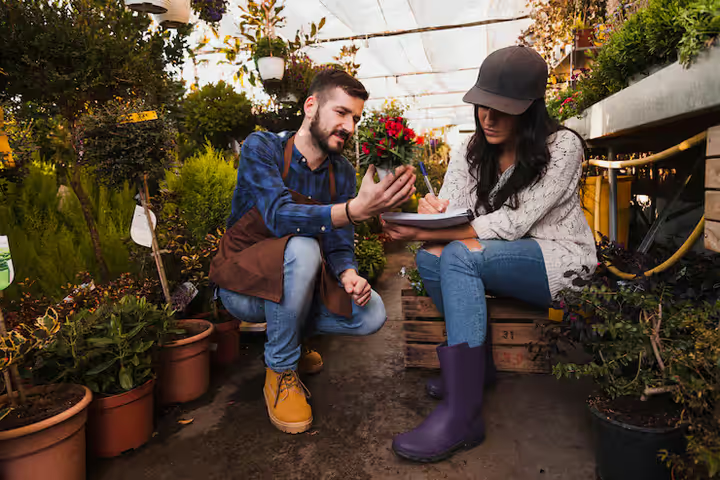
Discover the Basics of Organic Gardening: Expert Advice and Practical Knowledge
Organic gardening is the practice of growing plants vegetables, fruits, herbs, or ornamentals using natural methods rather than synthetic chemicals. It focuses on maintaining soil health, protecting biodiversity, and creating a sustainable growing environment. Instead of relying on artificial fertilizers or pesticides, organic gardening nurtures soil ecosystems, balances nutrients naturally, and supports beneficial organisms.
This approach exists because modern agriculture and conventional gardening often harm soil quality, deplete nutrients, and reduce ecological diversity. Organic gardening emerged as a sustainable solution to restore balance, reduce environmental harm, and promote long-term food and soil security.Importance
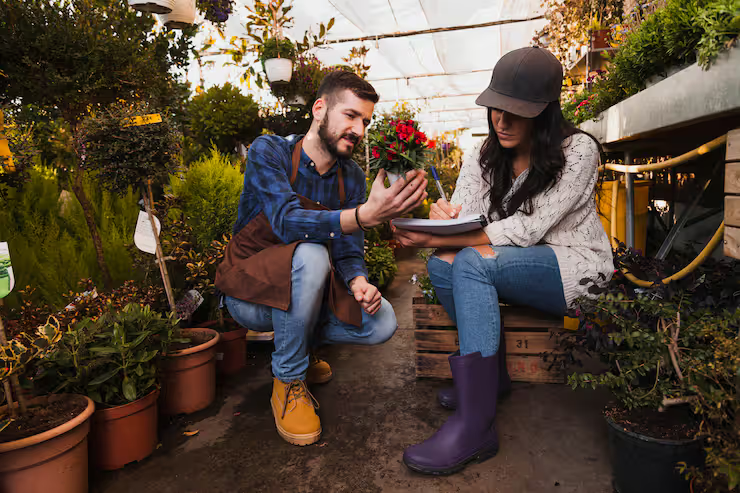
Organic gardening is more than just a trend it’s a response to environmental and health challenges faced globally.
-
Environmental Sustainability: Healthy soil stores carbon, retains water efficiently, and supports pollinators and microorganisms. Organic practices like mulching and composting enrich soil without harming the ecosystem.
-
Health Benefits: Growing your plants organically reduces chemical exposure and increases nutrient content in food.
-
Urban Relevance: Organic gardening can thrive in small spaces, such as balconies or terraces, making it ideal for city living.
-
Climate Resilience: By building rich soil and encouraging biodiversity, organic gardens withstand droughts, pests, and temperature fluctuations better than conventional gardens.
Organic gardening benefits everyone urban gardeners, families, farmers, and communities helping combat soil degradation, pollution, and unsustainable farming practices.
Recent Updates
The past year has seen several exciting developments in organic gardening:
-
Rise of No-Dig Gardening: Gardeners increasingly use no-dig or low-till methods that protect soil structure and retain beneficial microbes.
-
Growth of Urban Organic Gardening: With more people living in cities, container gardening, hydroponic organics, and balcony gardens are gaining momentum.
-
Native and Climate-Adapted Plants: Gardeners are shifting toward local species that require less water and adapt better to changing climates.
-
Technological Integration: New apps, soil sensors, and data-driven systems help gardeners monitor moisture, pH, and soil nutrition while maintaining organic integrity.
-
India’s Expanding Organic Base: The area under certified organic cultivation in India continues to rise, reflecting the growing awareness and government support for sustainable farming.
Laws or Policies
India has a well-structured framework for organic cultivation and certification, ensuring authenticity and quality.
-
National Programme for Organic Production (NPOP): Overseen by the Ministry of Commerce & Industry, NPOP sets national standards for organic production, accreditation, and certification.
-
Participatory Guarantee System (PGS-India): Managed by the Ministry of Agriculture, it’s a farmer-friendly certification system designed for small and marginal growers.
-
State-Level Initiatives: Several states, such as Gujarat and Sikkim, operate their own organic certification agencies and promote organic farming through incentives and workshops.
-
Food Safety Standards (FSSAI): The Jaivik Bharat label ensures consumers can identify certified organic products in the market.
For home gardeners, these laws help ensure that any labeled or shared organic produce aligns with recognized organic standards.
Tools and Resources
Practicing organic gardening effectively requires a combination of traditional wisdom and modern tools.
Soil Health Tools:
-
Home soil test kits or local lab testing services for pH, nutrient, and organic matter levels.
-
Moisture and sunlight meters to track growing conditions.
Apps and Technology:
-
Gardening planner apps for crop rotation, pest management, and watering schedules.
-
AI-based plant health apps that help identify diseases organically and suggest natural remedies.
Planning Templates and Calculators:
-
Garden layout planners to design raised beds and companion planting charts.
-
Compost and watering calculators to determine how much organic matter and moisture each area requires.
Learning Platforms:
-
Online communities and local gardening clubs where gardeners exchange organic tips.
-
Government portals like the National Centre for Organic Farming offering free learning materials, organic standards, and certification guidance.
Frequently Asked Questions
Q: What exactly is organic gardening?
A: It’s a natural method of growing plants that avoids synthetic fertilizers, pesticides, and genetically modified organisms. It focuses on soil enrichment through compost, manure, and green waste, and maintains ecological balance through biodiversity.
Q: Can I practice organic gardening in a small space?
A: Yes. Organic methods are ideal for balconies, terraces, or container gardens. Using compost-rich soil, organic fertilizers, and natural pest repellents, you can successfully grow herbs, vegetables, and flowers in compact spaces.
Q: How can I control pests organically?
A: Use preventive measures such as companion planting, crop rotation, and introducing beneficial insects like ladybugs. Natural sprays like neem oil or insecticidal soaps can also help manage common pests safely.
Q: Are fertilizers completely banned in organic gardening?
A: Not at all. Organic fertilizers such as compost, bone meal, vermicompost, and green manure are essential for healthy plant growth. The focus is on using naturally derived nutrients instead of synthetics.
Q: How can I confirm my produce is organic?
A: For personal use, maintaining an organic routine and record of inputs is sufficient. For commercial purposes, obtaining certification under NPOP or PGS-India ensures official organic recognition.
Conclusion
Organic gardening is more than a method it’s a philosophy rooted in respect for nature and the soil. By nurturing soil life, using eco-friendly inputs, and choosing biodiversity over chemicals, gardeners can produce healthier plants and contribute to a sustainable planet.
With its expanding reach from rural farms to urban balconies organic gardening empowers individuals to take control of their food sources and environment. Backed by progressive policies, new technology, and a growing community, now is the best time to cultivate your connection with nature through organic gardening.