Destination Wedding Luxury Travel Guide: Venues, Planning, Experiences and Travel Considerations
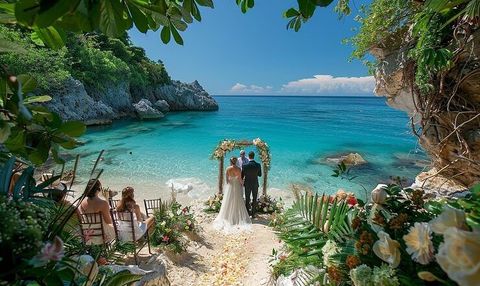
A destination wedding combines a marriage celebration with travel to a location away from the couple’s usual home area. A Destination Wedding Luxury Travel Guide brings together venue selection, guest travel, accommodation planning, cultural experiences, wedding activities, and practical travel considerations in one framework. The idea has developed alongside destination tourism, where couples and their families choose locations that provide a distinctive setting for several days of celebrations.
Destination weddings can take place in beach locations, historic properties, mountain regions, heritage cities, private estates, or international destinations. In India, wedding tourism has received increasing attention from tourism authorities, with destinations ranging from heritage forts and palaces to beaches, riversides, and mountain settings. The Ministry of Tourism has also promoted India as a wedding destination through initiatives such as “India Says I Do.”
Unlike a conventional local wedding, a destination wedding involves travel arrangements for at least some participants. This makes transportation, accommodation, weather, documentation, accessibility, local customs, and guest schedules important parts of the planning process.
Common Destination Wedding Settings
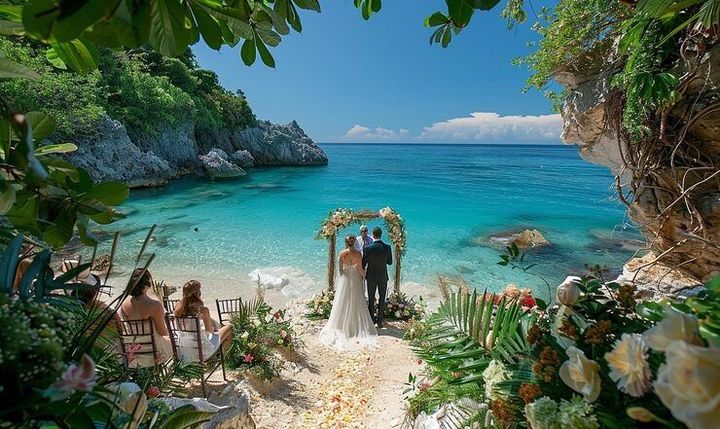
Different settings create different planning requirements. Beach weddings may require attention to wind, tides, heat, and weather changes. Mountain weddings can involve travel time, road conditions, altitude, and seasonal access.
Heritage venues can provide architectural and cultural character, while urban destinations may provide easier airport access and a wider range of accommodation choices. The appropriate setting depends on the guest list, ceremony traditions, travel requirements, and planned activities.
| Wedding setting | Common considerations | Suitable experiences |
|---|---|---|
| Beach destination | Weather, wind, tides, outdoor arrangements | Coastal dining, sightseeing, water activities |
| Heritage location | Venue rules, cultural considerations, access | Historical tours, local cuisine, architecture |
| Mountain destination | Travel time, weather, road access | Nature walks, scenic excursions, local culture |
| Urban destination | Traffic, venue access, guest movement | Museums, restaurants, shopping areas |
| Resort destination | Guest accommodation, schedules, venue facilities | Group activities, wellness, recreation |
Importance
Destination weddings matter because they combine an important family occasion with travel planning. For couples, the process involves more than choosing a ceremony location. Guests may need information about transportation, accommodation, local weather, currency, documentation, and activities before and during the event.
The guest list can strongly influence planning. Older relatives, children, international travelers, and guests with mobility considerations may have different travel requirements. A location that works well for one group may create practical difficulties for another.
Planning Around Guest Needs
A clear guest information plan can reduce confusion. Important information can include:
- Airport or railway access
- Approximate transfer time to the venue
- Accommodation arrangements
- Local transportation
- Weather expectations
- Dress considerations
- Local customs
- Emergency contact information
- Passport and visa requirements for international guests
- Timing of ceremonies and group activities
Travel schedules also matter. A destination wedding may include several events across multiple days, so guests need enough time to arrive, rest, and move between locations.
Balancing Weddings and Travel
Luxury travel associated with a wedding can include cultural visits, private dining arrangements, nature excursions, wellness activities, photography locations, and local experiences. These activities should be planned around the wedding schedule rather than creating excessive movement for guests.
A practical itinerary generally separates major wedding functions from optional travel activities. This gives guests opportunities to participate according to their interests and physical comfort.
Recent Updates
From 2024 through 2026, destination weddings in India have continued to receive attention within the broader tourism sector. The Ministry of Tourism organized the “Wed in India” expo in Jaipur in 2024 in collaboration with the Rajasthan tourism department and FICCI, bringing together wedding planners, tourism stakeholders, state representatives, and other participants. The ministry has also continued positioning wedding tourism alongside other specialized tourism categories.
The wider tourism environment has also become increasingly connected to digital planning. Travelers commonly research venues, transportation, accommodation, attractions, weather, and entry requirements online before finalizing an itinerary.
Current Travel Planning Trends
Several patterns are becoming more relevant to destination wedding planning:
- Multi-day celebrations: Couples may combine ceremonies with several days of guest activities.
- Cultural experiences: Local food, heritage visits, traditional performances, and regional activities can become part of the travel schedule.
- Smaller guest groups: Some couples are choosing more focused gatherings rather than very large events.
- International participation: Weddings may include guests traveling from several countries, making passport and entry documentation important.
- Digital coordination: Shared itineraries, online maps, digital invitations, travel documents, and group communication tools can simplify coordination.
- Experience-based travel: Guests may view the wedding as part of a broader holiday rather than a single event.
India’s tourism data also indicates substantial domestic travel activity, while international travel continues to form an important part of the country’s tourism landscape.
Laws or Policies
For weddings held in India, legal requirements depend on the couple’s circumstances, religion, nationality, and the type of marriage being conducted. A ceremonial wedding and a legally registered marriage are not always the same process.
For Hindu marriages, the Hindu Marriage Act, 1955 sets out conditions for marriage and provides provisions concerning customary ceremonies and registration. Section 7 addresses ceremonies, while Section 8 concerns registration and allows state governments to establish rules for maintaining marriage records.
The Special Marriage Act, 1954 provides a separate legal framework for certain marriages. Under Section 5, intended parties generally provide written notice to the Marriage Officer of the relevant district, with a residence requirement applying before the notice is given. The Act also provides a notice and objection period before solemnization.
International Guest Requirements
International guests traveling to India generally need a valid passport and an appropriate visa or other applicable entry document. The official Indian visa portal states that eligible travelers can apply for specified categories of e-Visa online, while other travelers may need a regular visa through an Indian Mission or Post.
Foreign visitors and OCI cardholders are also subject to current arrival requirements. The official portal states that an e-Arrival Card can be completed online within the specified period before arrival, and this card is separate from a visa. Requirements can change, so travelers should check official government information before departure.
For an overseas wedding, the legal requirements of the destination country must be checked separately. Some countries require residency periods, specific documents, translations, witnesses, or local registration procedures. Couples should distinguish between a symbolic ceremony and a marriage that is legally recognized.
Tools and Resources
Planning tools can help organize the many parts of a destination wedding. A shared spreadsheet can track guests, arrival information, accommodation, transportation, event schedules, and documentation.
Useful Planning Resources
Helpful resources include:
- Google Maps: Useful for comparing venue locations, airports, hotels, attractions, and travel distances.
- Google Sheets or similar spreadsheets: Useful for guest lists, room allocations, schedules, and travel information.
- Official government visa portals: Important for checking current entry requirements for international guests.
- Weather platforms: Useful for understanding seasonal temperature, rainfall, wind, and other conditions.
- Airline and railway websites: Helpful for checking current routes and travel schedules.
- Destination tourism websites: Useful for information about local attractions, cultural sites, regulations, and regional travel.
- Digital invitation platforms: Can organize event details, schedules, location information, and guest communication.
- Travel itinerary applications: Can consolidate transportation and accommodation information into one place.
The official Indian visa portal is particularly relevant for international guests because it provides current information about eligible e-Visa categories, application procedures, passport requirements, and arrival information.
A Practical Planning Framework
A destination wedding plan can be divided into several stages:
- Destination research: Examine location, climate, accessibility, local customs, and travel connections.
- Venue assessment: Review capacity, event areas, accommodation arrangements, weather contingencies, and venue rules.
- Guest planning: Record arrival details, accommodation needs, dietary requirements, and accessibility considerations.
- Travel planning: Coordinate airport transfers, local transportation, and activity schedules.
- Legal preparation: Identify marriage registration requirements and documentation.
- Event scheduling: Create a realistic timetable with sufficient rest periods between activities.
- Contingency planning: Prepare alternatives for weather disruptions, travel delays, or changes in guest attendance.
FAQs
What is a destination wedding luxury travel guide?
A Destination Wedding Luxury Travel Guide is a planning resource covering wedding venues, guest travel, accommodation, activities, cultural experiences, documentation, and other travel considerations associated with a destination wedding.
How do I choose destination wedding venues?
Destination wedding venues can be compared according to location, guest capacity, accessibility, weather conditions, accommodation arrangements, ceremony requirements, local regulations, and available event spaces.
What travel documents are needed for an international destination wedding?
Travel documents depend on the destination country and nationality of each traveler. International guests may need a valid passport, visa or electronic travel authorization, and other arrival documents. Requirements should be checked through official government sources.
Is a destination wedding legally recognized in India?
Legal recognition depends on the applicable marriage law and the circumstances of the couple. India has several legal frameworks, including the Hindu Marriage Act, 1955 and Special Marriage Act, 1954, with specific conditions and procedures.
What experiences can be included in luxury travel planning?
A wedding itinerary can include cultural tours, heritage visits, local cuisine, nature activities, wellness experiences, photography locations, and leisure time. Activities should account for guest age, mobility, interests, and available travel time.
Conclusion
A destination wedding combines marriage celebrations with travel, accommodation, venue planning, guest coordination, and local experiences. Successful planning requires attention to accessibility, weather, documentation, cultural considerations, transportation, and legal requirements. In India, wedding tourism has received increasing institutional attention, while digital travel planning has made information about destinations and entry requirements easier to organize.