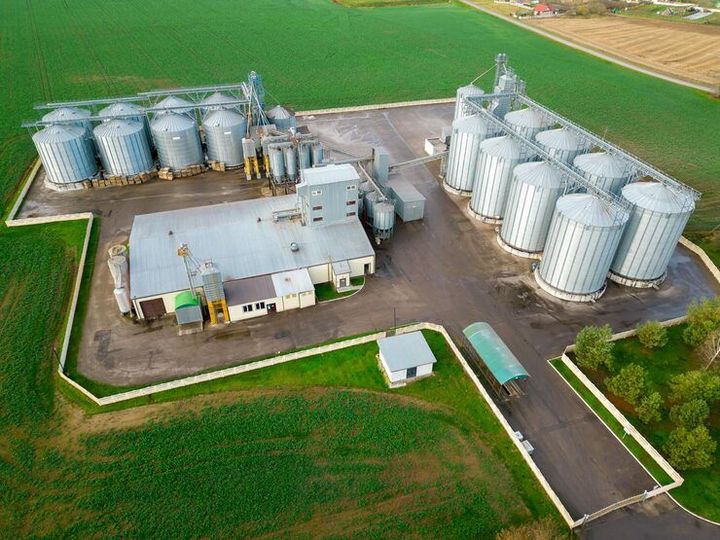
Biofuel Processing Units Complete Guide with Basics, Facts, and Practical Knowledge
Biofuel processing units are specialized industrial systems designed to convert organic raw materials into usable energy fuels. These units transform biomass such as agricultural residues, non-edible oilseeds, food waste, algae, and forestry by-products into liquid or gaseous fuels that can replace or supplement fossil energy sources.
These systems exist because conventional petroleum resources are finite and contribute heavily to atmospheric pollution. Biofuel technology emerged as part of the global shift toward renewable energy systems, carbon reduction strategies, and sustainable fuel production. Unlike fossil fuels formed over millions of years, biofuels rely on renewable biological cycles.
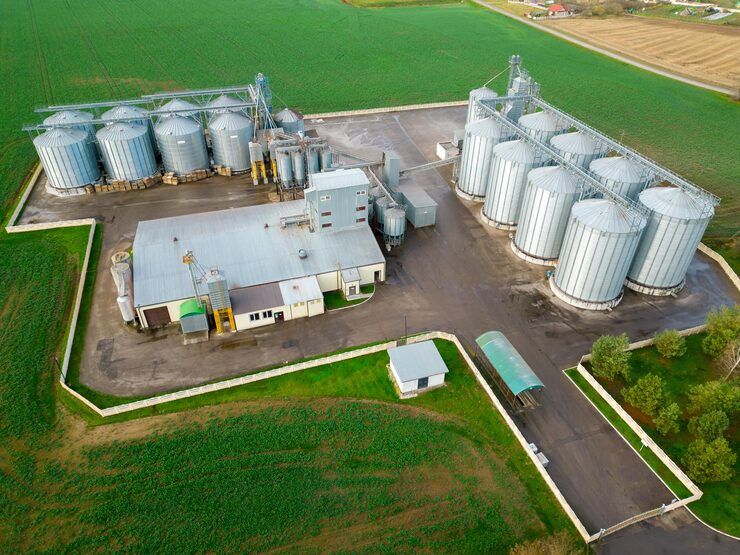
At the core, a biofuel processing unit integrates:
-
Feedstock handling systems
-
Mechanical and chemical conversion equipment
-
Separation and purification modules
-
Energy recovery and by-product utilization units
The most widely processed fuels include biodiesel, bioethanol, biogas, and advanced biofuels created using thermochemical and biochemical routes.
Why Biofuel Processing Units Matter in Today’s Energy Landscape
The relevance of biofuel processing units is expanding rapidly due to growing climate challenges, energy security concerns, and rising global energy demand. These units directly influence transportation fuel alternatives, industrial heat generation, and rural energy infrastructure.
Key groups affected include:
-
Agricultural producers supplying biomass feedstock
-
Energy-intensive industries adopting renewable fuel systems
-
Urban waste management ecosystems
-
National clean energy transition programs
Major challenges these units help address include:
-
Dependence on imported fossil fuels
-
Rising greenhouse gas emissions
-
Waste accumulation and landfill saturation
-
Volatile crude oil price dependence
From a climate standpoint, biofuels are classified as low-carbon or carbon-balanced fuels because the carbon released during combustion was previously captured during plant growth. This circular carbon movement improves overall environmental performance when managed efficiently.
Economic significance also emerges through:
-
Distributed energy generation
-
Rural biomass utilization models
-
By-product usage such as glycerin, digestate, and biochar
Recent Developments, Trends, and Technological Shifts (2025–2026)
The past year has seen accelerated deployment of advanced biofuel technologies driven by policy reforms and clean energy incentives.
In March 2025, multiple countries expanded their ethanol blending mandates in transportation fuels, increasing demand for high-efficiency ethanol processing units. Algae-based biofuel research also reached significant pilot-scale validation in October 2025, improving lipid extraction efficiency by nearly 30% compared to earlier systems.
Key industry trends include:
-
Integration of artificial intelligence in biomass conversion optimization
-
Expansion of second-generation biofuels from non-food sources
-
High-temperature gasification for advanced syngas production
-
Modular biofuel processing units for decentralized energy generation
Another major trend involves hybrid bio-refinery models. These facilities co-produce fuel, biochemicals, renewable power, and fertilizers from the same feedstock stream, improving total energy efficiency.
A visual overview of evolving feedstock utilization trends:
Government Policies, Rules, and Biofuel Programs (India-Focused Overview)
Biofuel processing units operate within a structured regulatory framework to ensure fuel quality, sustainability standards, and emissions compliance.
India’s National Policy on Bio-Energy (Updated 2025–2026) strengthened long-term blending targets and expanded feedstock flexibility. The policy encourages:
-
Ethanol blending programs in transportation
-
Biodiesel blending through non-edible oil sources
-
Compressed biogas integration with national gas grids
-
Municipal solid waste-to-energy programs
Important regulatory elements include:
-
Fuel quality standards under Bureau of Indian Standards
-
Environmental clearance norms for processing capacities
-
Waste-to-energy emission compliance frameworks
-
Lifecycle carbon accounting requirements
Global developments also influence domestic systems due to international carbon trading frameworks, renewable fuel standards, and sustainability reporting structures.
Practical Tools, Digital Resources, and Technical Aids
Several technical tools and digital resources support the planning, optimization, and monitoring of biofuel processing units.
Helpful categories include:
-
Biomass Energy Calculators
Used for estimating feedstock energy output, calorific value conversion, and fuel yield modeling. -
Process Simulation Software
Digital twin systems for biodiesel reactor optimization, fermentation efficiency tracking, and distillation control. -
Lifecycle Emissions Analyzers
Tools that assess total carbon output from feedstock cultivation to final fuel combustion. -
Renewable Energy Data Platforms
Portals that track national blending progress, biomass availability, and energy substitution metrics. -
Quality Testing Instruments
Used for measuring viscosity, flash point, moisture content, and fuel stability.
Main Types of Biofuel Processing Units (Technical Snapshot)
| Processing Unit Type | Primary Output | Core Feedstock | Conversion Method |
|---|---|---|---|
| Biodiesel Reactor | Fatty acid esters | Non-edible oils, UCO | Transesterification |
| Ethanol Plant | Anhydrous ethanol | Sugarcane, grains | Fermentation + Distillation |
| Biogas Digester | Methane-based gas | Organic waste | Anaerobic digestion |
| Gasification System | Synthetic gas | Biomass residue | Thermochemical conversion |
| Pyrolysis Unit | Bio-oil + biochar | Wood, crop waste | Thermal decomposition |
Frequently Asked Questions
What is the basic working principle of a biofuel processing unit?
Biofuel units operate by converting organic materials into fuel through biochemical fermentation, chemical transesterification, or thermochemical gasification depending on the fuel type.
Which feedstocks are most commonly used?
Agricultural residues, sugar-rich crops, used cooking oils, animal fats, food waste, algae, and forestry biomass are widely utilized.
Are biofuels suitable for existing engines?
Most biofuels are designed as drop-in alternatives or blended fuels that work with existing engine technology under regulated blending limits.
How do biofuel processing units support carbon reduction goals?
They enable low-carbon fuel substitution, reduce landfill methane emissions, and promote circular carbon flow through renewable biomass cycles.
What determines the efficiency of a biofuel processing unit?
Feedstock quality, processing temperature control, catalyst performance, fermentation stability, and purification accuracy all influence total efficiency.
Data Snapshot: Energy Conversion Efficiency Comparison
| Fuel Type | Average Conversion Efficiency |
|---|---|
| Ethanol | 85–90% |
| Biodiesel | 88–92% |
| Biogas | 75–85% |
| Gasification Syngas | 65–78% |
The Broader Role of Biofuel Processing Units in the Clean Energy Transition
Biofuel processing units are not isolated systems; they operate as part of a multi-layered clean energy network. They complement solar, wind, and hydro by providing liquid and gaseous fuels that meet transportation and industrial thermal energy requirements—areas where electrification remains technically complex.
They support:
-
Circular economy models
-
Sustainable agriculture integration
-
Waste valorization ecosystems
-
Carbon intensity reduction frameworks
Their flexibility across feedstock types also makes them suitable for both urban and rural deployment, strengthening national energy resilience and decentralization strategies.
Conclusion
Biofuel processing units represent a strategic pillar in the global renewable energy framework. They bridge the gap between waste management, agricultural productivity, and sustainable fuel production while reducing environmental stress from fossil fuel dependency. Through evolving technology, supportive policy structures, and increasing private-public collaboration, these systems continue to mature into highly efficient clean energy assets.
As the transition toward carbon-balanced energy accelerates, biofuel processing units are positioned as long-term contributors to energy security, emissions control, and resource circularity. Their role will only expand as advanced bio-refinery concepts, second-generation feedstocks, and digital process optimization redefine what sustainable fuel infrastructure can achieve.