Humidity Sensors Comparison Guide: Insights, Basics, Tips, and Practical Knowledge
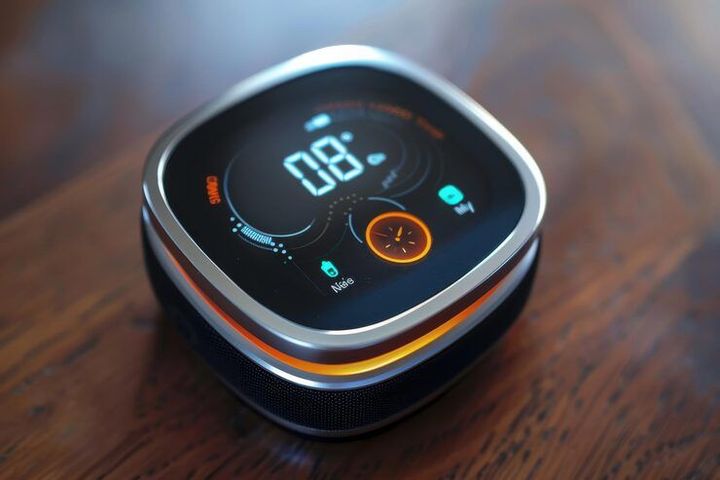
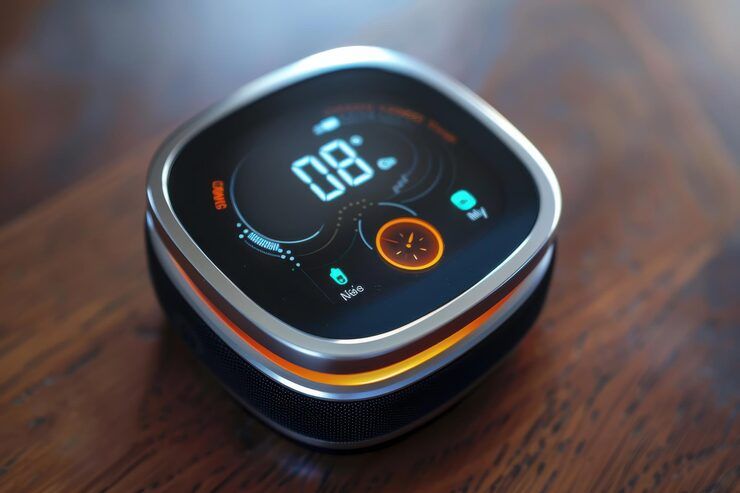
Humidity sensors, also known as hygrometers, are devices designed to measure the amount of water vapor in the air. They play a critical role in industries such as agriculture, healthcare, manufacturing, HVAC (heating, ventilation, and air conditioning), and consumer electronics. Accurate humidity monitoring helps maintain environmental stability, improve product quality, and ensure safety in sensitive processes.
In recent years, the importance of humidity sensors has increased due to the rise of smart devices, climate monitoring systems, and industrial automation. The expansion of IoT (Internet of Things) ecosystems has further driven demand for compact, energy-efficient, and highly accurate sensors. Environmental concerns and climate variability have also made precise humidity tracking more essential for forecasting and control systems.
This comparison matters today because multiple sensor types capacitive, resistive, and thermal offer different levels of accuracy, durability, and cost efficiency. Choosing the right sensor depends on application requirements, environmental conditions, and long-term reliability. With ongoing technological advancements, understanding these differences helps users make informed decisions without relying on trial-and-error approaches.
Who It Affects and What Problems It Solves
Humidity sensors impact a wide range of sectors. In agriculture, they help optimize irrigation and greenhouse conditions, directly influencing crop yield and resource efficiency. In healthcare, controlled humidity levels are essential for preserving medicines, maintaining sterile environments, and ensuring patient comfort. Industrial sectors rely on these sensors to maintain product consistency, especially in pharmaceuticals, food processing, and semiconductor manufacturing.
For everyday users, humidity sensors are integrated into smart home systems, weather stations, and air quality monitors. They contribute to comfort, prevent mold growth, and improve energy efficiency by enabling smarter HVAC control.
Problems It Solves
- Environmental instability: Maintains consistent humidity levels in controlled environments
- Product degradation: Prevents moisture-related damage in sensitive goods
- Health risks: Reduces mold, bacteria growth, and respiratory issues
- Energy inefficiency: Optimizes HVAC systems for better energy usage
- Data gaps: Provides real-time monitoring for decision-making
Recent Updates and Trends
Over the past year, humidity sensing technology has seen several notable developments:
- Integration with IoT platforms: Modern sensors now come with wireless connectivity (Wi-Fi, Bluetooth, LoRa), enabling remote monitoring and automation.
- Miniaturization: Sensors are becoming smaller and more energy-efficient, making them suitable for wearable and portable devices.
- Improved calibration techniques: Advances in self-calibration and AI-assisted correction have improved long-term accuracy.
- Multi-sensor modules: Devices now often combine humidity, temperature, and pressure sensing in a single unit.
- Sustainability focus: Manufacturers are developing low-power sensors to align with global energy efficiency goals.
Industry reports indicate that environmental monitoring and smart agriculture are among the fastest-growing application areas, driven by climate variability and resource optimization needs.
Comparison of Humidity Sensor Types
| Feature | Capacitive Sensors | Resistive Sensors | Thermal Sensors |
|---|---|---|---|
| Measurement Principle | Change in capacitance due to humidity | Change in electrical resistance | Thermal conductivity difference |
| Accuracy | High (±2–3% RH typical) | Moderate (±3–5% RH) | High in controlled conditions |
| Response Time | Fast | Moderate | Slower |
| Durability | Good in most environments | Sensitive to contaminants | Robust in harsh conditions |
| Cost | Moderate | Low | Higher |
| Maintenance | Low | Requires periodic calibration | Moderate |
| Best Use Cases | HVAC, weather stations, IoT devices | Industrial, low-cost applications | Scientific and industrial processes |
Key Insights from Comparison
- Capacitive sensors are the most widely used due to their balance of accuracy and cost.
- Resistive sensors are suitable for budget-sensitive applications but may require more maintenance.
- Thermal sensors are specialized and often used in industrial or research settings.
Laws or Policies Affecting Humidity Sensors
Humidity sensors are indirectly governed by regulations related to environmental monitoring, industrial safety, and product quality standards. These regulations vary by country but generally fall under broader frameworks.
Regulatory Areas
- Environmental standards: Sensors used in air quality monitoring must comply with environmental guidelines.
- Industrial compliance: Manufacturing sectors follow standards such as ISO guidelines for environmental control.
- Healthcare regulations: Medical storage and facilities require strict humidity control under regulatory bodies.
- Energy efficiency programs: Governments encourage smart HVAC systems, which rely on humidity sensors.
Practical Guidance
- Use high-accuracy sensors in regulated environments like healthcare and pharmaceuticals.
- For general applications (homes, offices), standard capacitive sensors are sufficient.
- Ensure calibration and certification when used in compliance-driven industries.
Tools and Resources
Several tools and platforms can help users work with humidity sensors effectively:
Software and Platforms
- IoT dashboards for real-time monitoring (e.g., cloud-based sensor platforms)
- Data logging software for environmental analysis
- Calibration tools for accuracy maintenance
Hardware Tools
- Multi-sensor modules (humidity + temperature)
- Development boards for prototyping (e.g., microcontroller platforms)
Online Resources
- Environmental data repositories
- Industry standards documentation (ISO, ASTM guidelines)
- Technical datasheets from sensor manufacturers
Templates and Utilities
- Calibration logs and maintenance checklists
- Environmental monitoring reports
- HVAC optimization calculators
Frequently Asked Questions (FAQ)
What is the most accurate type of humidity sensor?
Capacitive sensors are generally considered the most accurate for general use, offering a balance of precision, stability, and cost.
How often should humidity sensors be calibrated?
Calibration frequency depends on usage. Industrial sensors may require calibration every 6–12 months, while consumer devices may need less frequent checks.
Can humidity sensors work in extreme environments?
Yes, but thermal sensors are better suited for extreme or harsh conditions compared to resistive or capacitive types.
Why is humidity measurement important in HVAC systems?
It helps maintain comfort, prevent mold growth, and improve energy efficiency by optimizing heating and cooling cycles.
Are humidity sensors used in smart homes?
Yes, they are commonly integrated into smart thermostats and air quality monitors for automated climate control.
Conclusion
Humidity sensors are essential tools across multiple industries, providing critical data for environmental control, safety, and efficiency. Among the available types, capacitive sensors dominate due to their reliability and versatility, while resistive and thermal sensors serve niche or cost-specific applications.
Recent advancements in IoT integration, miniaturization, and calibration have significantly improved sensor performance and accessibility. Data-driven trends indicate growing adoption in agriculture, smart homes, and industrial automation, highlighting their increasing relevance.
For most users, selecting a humidity sensor depends on application needs:
- Choose capacitive sensors for general and smart applications
- Use resistive sensors for cost-sensitive environments
- Opt for thermal sensors in specialized or extreme conditions