Air Pollution Control Systems Explore Guide, Basics, Insights, Facts and Environmental Knowledge
Air pollution control systems refer to environmental engineering technologies designed to reduce harmful emissions from industrial processes, transportation activities, and energy generation facilities. These systems exist because industrial growth, urbanization, and rising energy consumption contribute to pollutants such as particulate matter, sulfur oxides, nitrogen oxides, volatile organic compounds, and greenhouse gases.
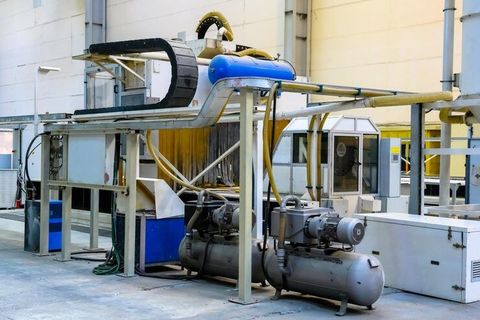
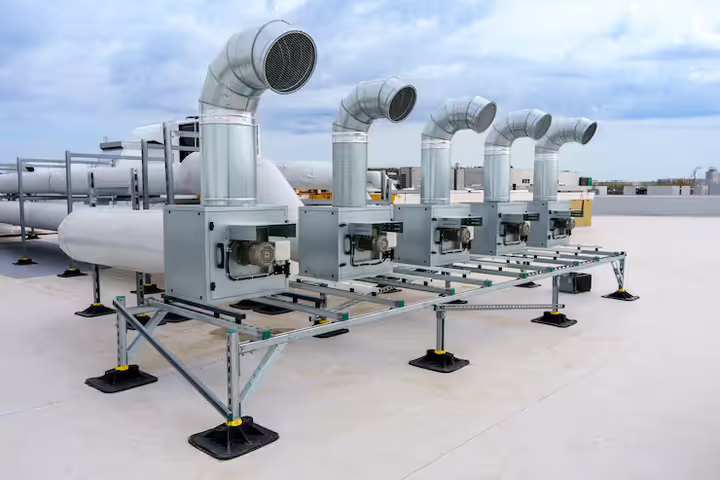
Environmental compliance technology has become essential as industries seek sustainable production practices while maintaining regulatory alignment. Technologies like electrostatic precipitators, scrubbers, catalytic converters, and filtration units help capture or neutralize pollutants before they enter the atmosphere.
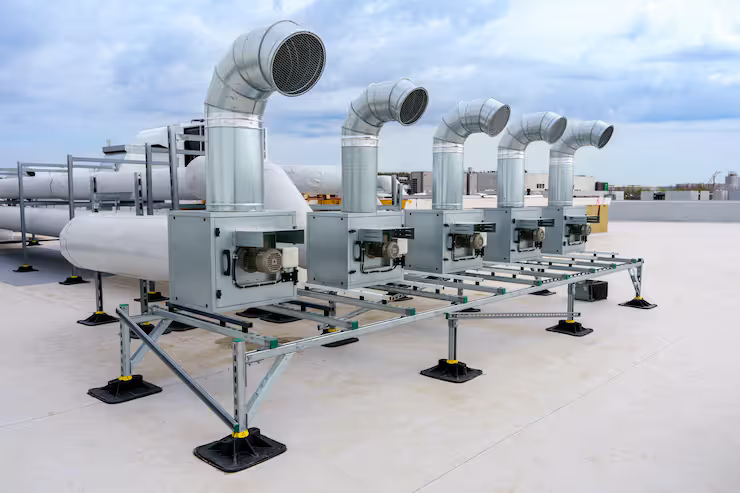
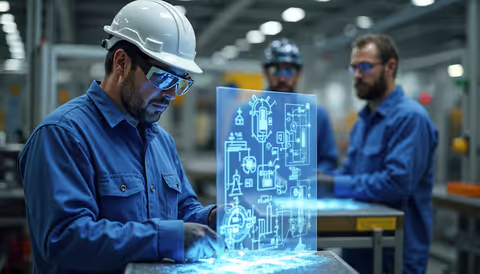
Environmental monitoring solutions increasingly combine digital sensors, data analytics, and emission tracking platforms. These advancements enable industries to measure air quality indicators accurately and implement proactive emission reduction strategies.
Why Air Pollution Control Matters Today
Air pollution remains one of the most pressing environmental health challenges globally. Urban populations, industrial workers, agricultural regions, and ecosystems all experience the effects of degraded air quality.
Key reasons this topic remains critical include:
-
Growing urban populations increasing vehicle emissions
-
Industrial expansion affecting environmental sustainability
-
Climate change mitigation efforts focusing on emission reduction
-
Public health awareness about respiratory and cardiovascular conditions
-
Environmental compliance requirements shaping industrial operations
Air pollution control technologies help address issues such as smog formation, acid rain, ozone depletion, and climate-related atmospheric changes. They also support corporate environmental responsibility goals and sustainable infrastructure development.
Common Pollutants and Control Technologies
| Pollutant Type | Major Sources | Typical Control Technology | Environmental Impact |
|---|---|---|---|
| Particulate Matter | Cement plants, power plants | Baghouse filters, ESP systems | Respiratory irritation |
| Nitrogen Oxides | Vehicles, boilers | Selective catalytic reduction | Smog formation |
| Sulfur Dioxide | Fossil fuel combustion | Wet scrubbers | Acid rain |
| VOCs | Chemical processing | Carbon adsorption | Ground-level ozone |
| Carbon Emissions | Energy production | Carbon capture technology | Climate change |
This table highlights how environmental engineering solutions directly link to pollution reduction strategies.
Recent Developments in Environmental Control Technology
Environmental technology innovation continues rapidly, particularly during the past year. Governments, research institutions, and industrial organizations have focused on cleaner air strategies and advanced monitoring systems.
Notable developments include:
-
2025: Expansion of carbon capture pilot projects in Asia and Europe focusing on industrial emission reduction
-
Early 2026: AI-driven air quality monitoring platforms gaining attention for predictive pollution analytics
-
Late 2025: Increased adoption of hybrid filtration technologies combining electrostatic precipitation with fabric filtration
-
2025–2026: Urban smart sensor networks improving real-time pollution mapping
These trends demonstrate a shift toward integrated environmental monitoring solutions that combine automation, artificial intelligence, and sustainability analytics.
Regulatory Frameworks and Environmental Policies
Air pollution control is heavily influenced by environmental regulations, emission standards, and sustainability policies. These frameworks encourage industries to implement pollution mitigation technologies and environmental monitoring practices.
In India, regulatory influence includes:
-
National Clean Air Programme focusing on pollution reduction targets
-
Central Pollution Control Board emission standards
-
Environmental Impact Assessment requirements for industrial projects
-
State-level air quality monitoring initiatives
Globally, policies such as climate agreements, emission trading frameworks, and sustainability reporting standards shape how organizations manage atmospheric emissions.
Regulatory compliance technology helps industries track emissions data, maintain environmental transparency, and support sustainability reporting initiatives aligned with international environmental governance frameworks.
Useful Tools, Platforms, and Environmental Resources
Modern environmental management benefits from digital platforms, monitoring tools, and data analytics resources that support emission control strategies.
Examples of helpful resources include:
-
Air quality index tracking applications for environmental awareness
-
Industrial emission monitoring software platforms
-
Environmental impact assessment templates
-
Sustainability reporting dashboards
-
Pollution dispersion modeling calculators
-
Environmental compliance documentation systems
These resources help researchers, engineers, policymakers, and environmental professionals evaluate pollution trends and optimize mitigation approaches.
Frequently Asked Questions About Air Pollution Control
What are air pollution control systems used for?
These systems reduce harmful emissions from industrial processes, transportation sources, and energy facilities to protect environmental quality and public health.
Which industries commonly use pollution control technology?
Power generation, manufacturing, chemical processing, mining, construction materials production, and transportation sectors widely use emission reduction technologies.
How do electrostatic precipitators work?
They use electrical charges to attract and capture particulate matter from exhaust gases before release into the atmosphere.
Are digital air quality sensors reliable?
Modern sensor technology combined with calibration standards provides accurate environmental monitoring when properly maintained.
Can pollution control systems help climate goals?
Yes. Emission reduction technologies, carbon capture solutions, and environmental monitoring tools contribute to climate mitigation strategies.
Conclusion: Environmental Knowledge for Sustainable Air Quality
Air pollution control systems play a crucial role in environmental sustainability, industrial compliance, and public health protection. As urbanization, industrialization, and climate concerns continue shaping global priorities, advanced emission control technologies remain essential.
Recent technological developments highlight increasing integration of digital monitoring, artificial intelligence, and environmental engineering solutions. Regulatory frameworks encourage responsible emission management while promoting cleaner industrial practices.
Understanding these systems supports environmental awareness, scientific literacy, and informed decision-making. Continued innovation, policy alignment, and environmental education will help ensure cleaner air and healthier ecosystems in the years ahead.